Visit Posestvo Sončni raj (Sunny Paradise estate) and Čebelarski center Maribor (Beekeeping centre Maribor), which introduce visitors to herbs, honey, bees and local products.
Discover Maribor’s beekeeping tradition through honey, local flavours and unique experiences in nature.
Beekeeping experiences in Maribor and its surroundings introduce visitors to the lives of bees, the beekeeper’s work and the connection between pollinators, plants and food production. A visit may include an apiary or glass hive, a walk through a garden of nectar-rich plants, an introduction to bee products and, depending on the programme, a honey tasting.
Beekeeping as part of local heritage
In Slovenia, beekeeping is closely linked to knowledge of nature, caring for bee colonies and producing honey. Bees and other pollinators play an important role in the reproduction of many plants. Visiting a beekeeping provider therefore offers both an introduction to bee products and an opportunity to understand their importance to the environment.
Around Maribor, you can explore this topic in two different ways. Čebelarski center Maribor (Beekeeping centre Maribor) focuses on beekeeping and the work of bees, while Posestvo Sončni raj (Sunny Paradise estate) connects the bees’ story with herbs, nectar-rich plants and outdoor experiences.
Čebelarski center Maribor (Beekeeping centre Maribor)
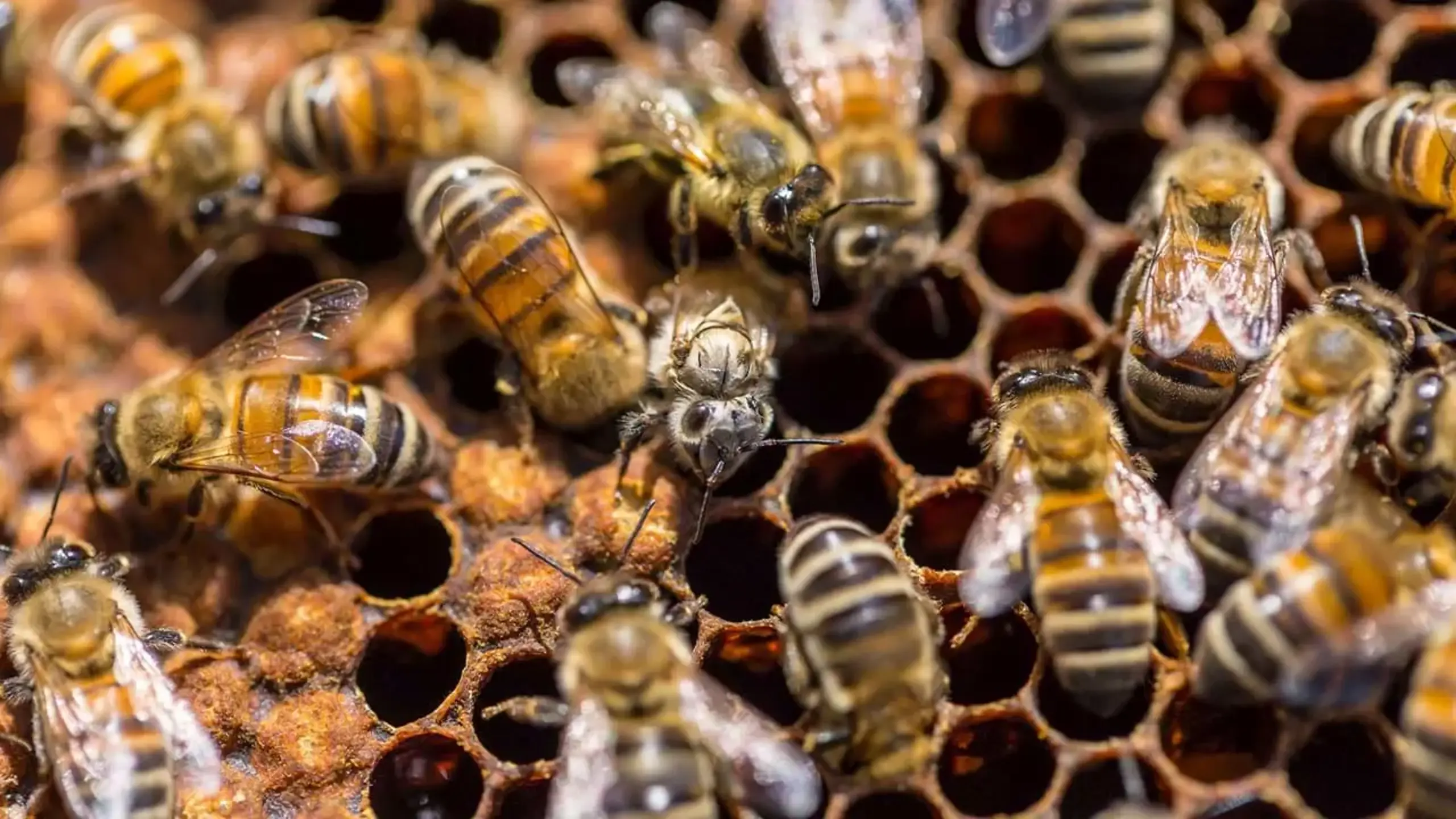
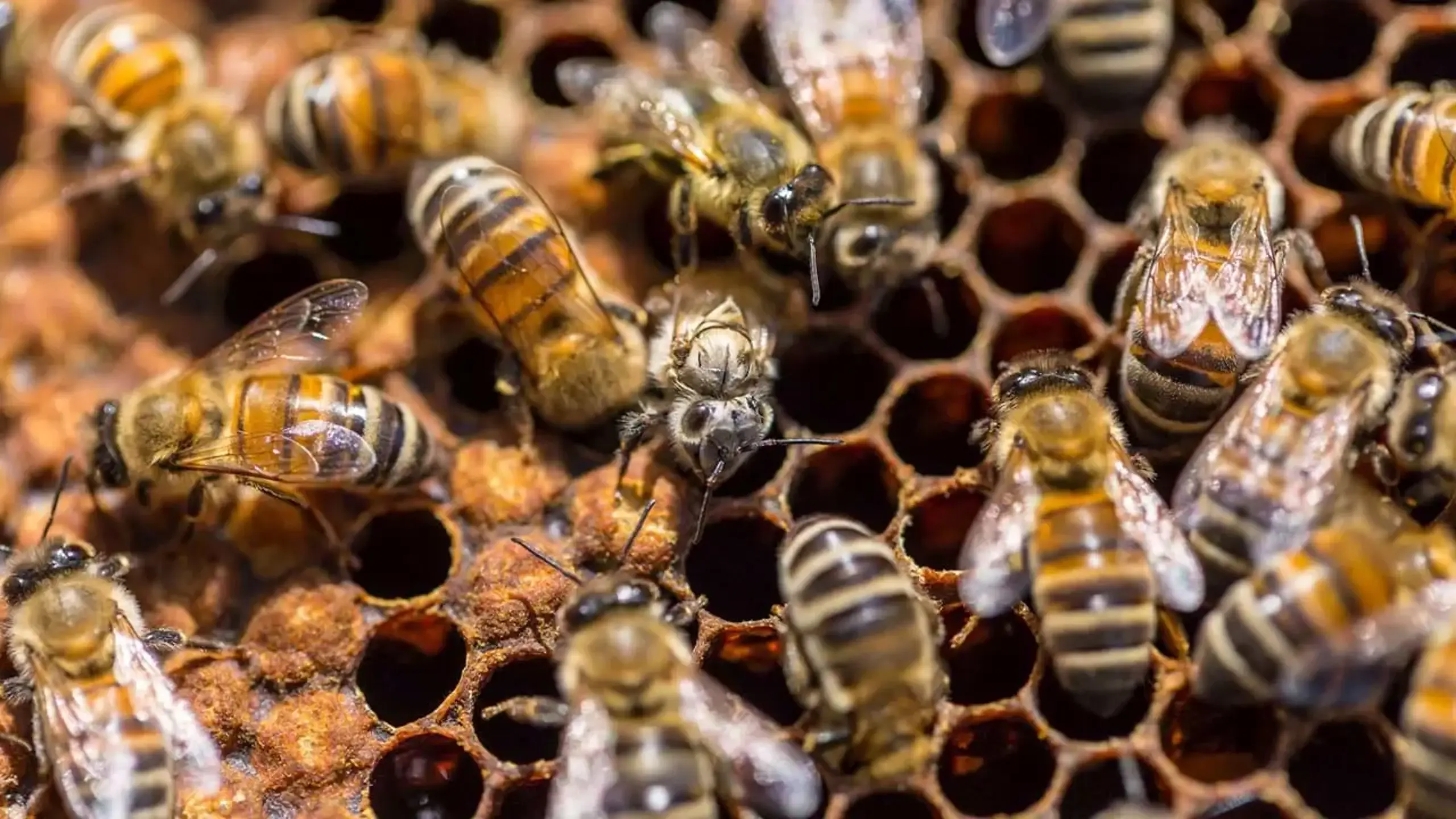
At Čebelarski center Maribor (Beekeeping centre Maribor), visitors can discover the basic characteristics of a bee colony, the beekeeper’s work and different beekeeping products. A particularly interesting feature is the glass hive, which allows you to observe the honeycomb and the bees’ movements without opening the hive.
This visit is suitable for anyone who wants to learn how life in a bee colony is organised, the roles of the queen, workers and drones, and how honey and other bee products are made. The content and scope of the visit depend on the programme you choose, so ask about visiting options before arriving.

Posestvo Sončni raj (Sunny Paradise estate)
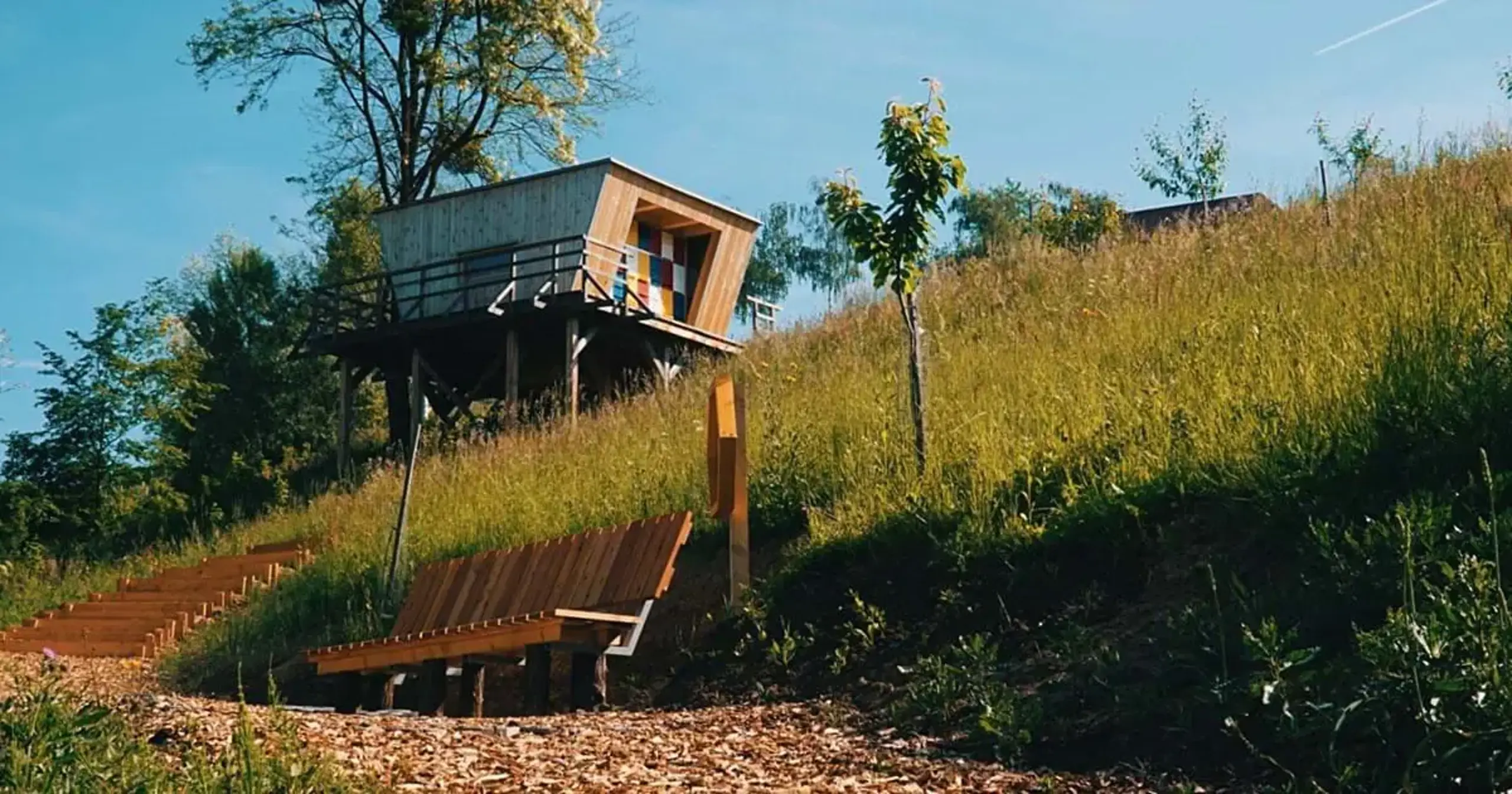
At Posestvo Sončni raj (Sunny Paradise estate), you can combine the story of beekeeping with a walk through the herb and honey garden. Nectar-rich plants show visitors which flowers and herbs provide food for bees and how a thoughtfully planted garden can create a better environment for pollinators.
A distinctive feature of the estate is its zipline, which represents a bee’s flight. The activity offers an experiential introduction to beekeeping and can be an appealing addition to a visit for families and groups. Before arriving, check which programmes are available and whether activities have age, height or other requirements.
From flowers to different honey flavours
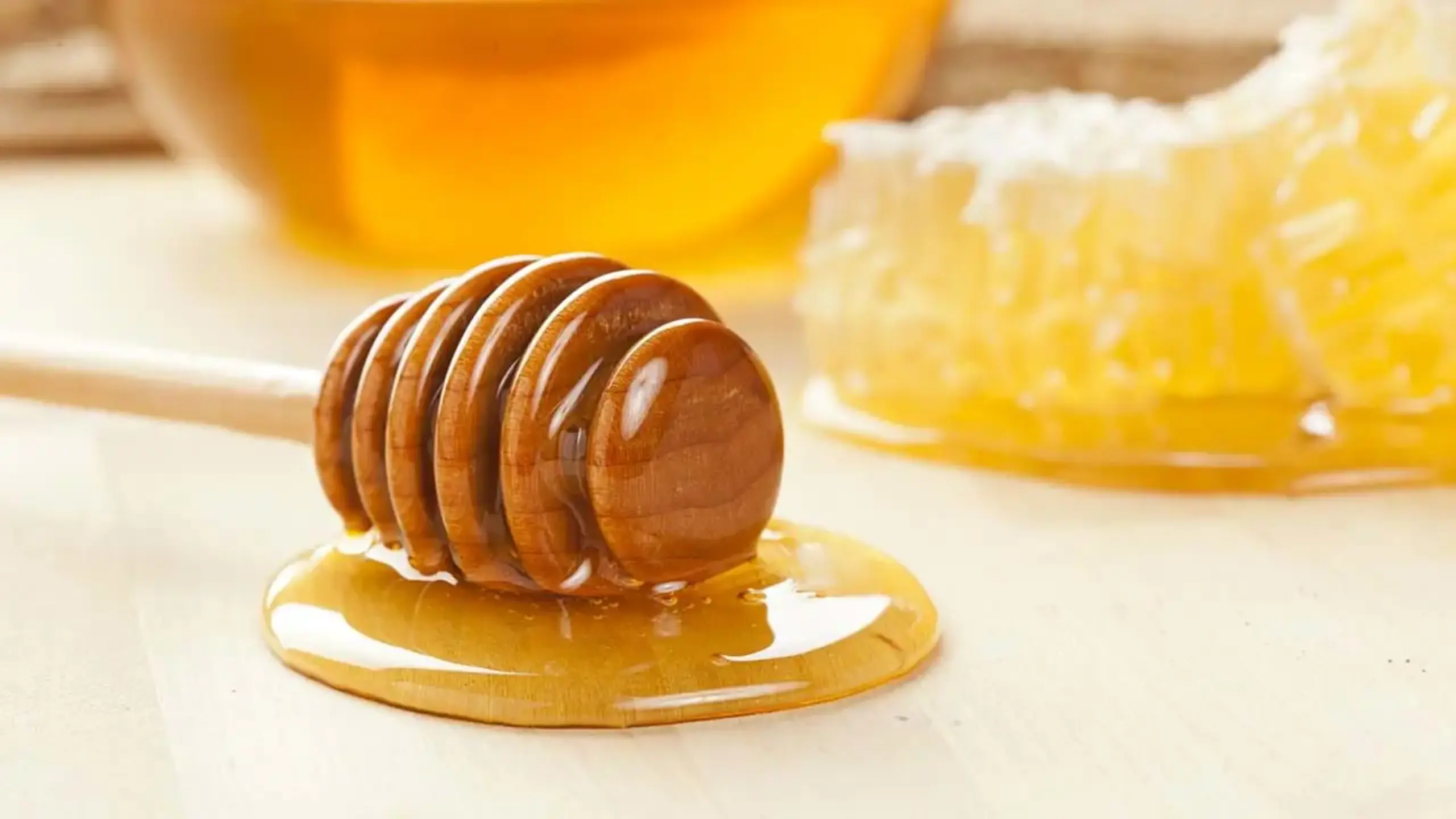
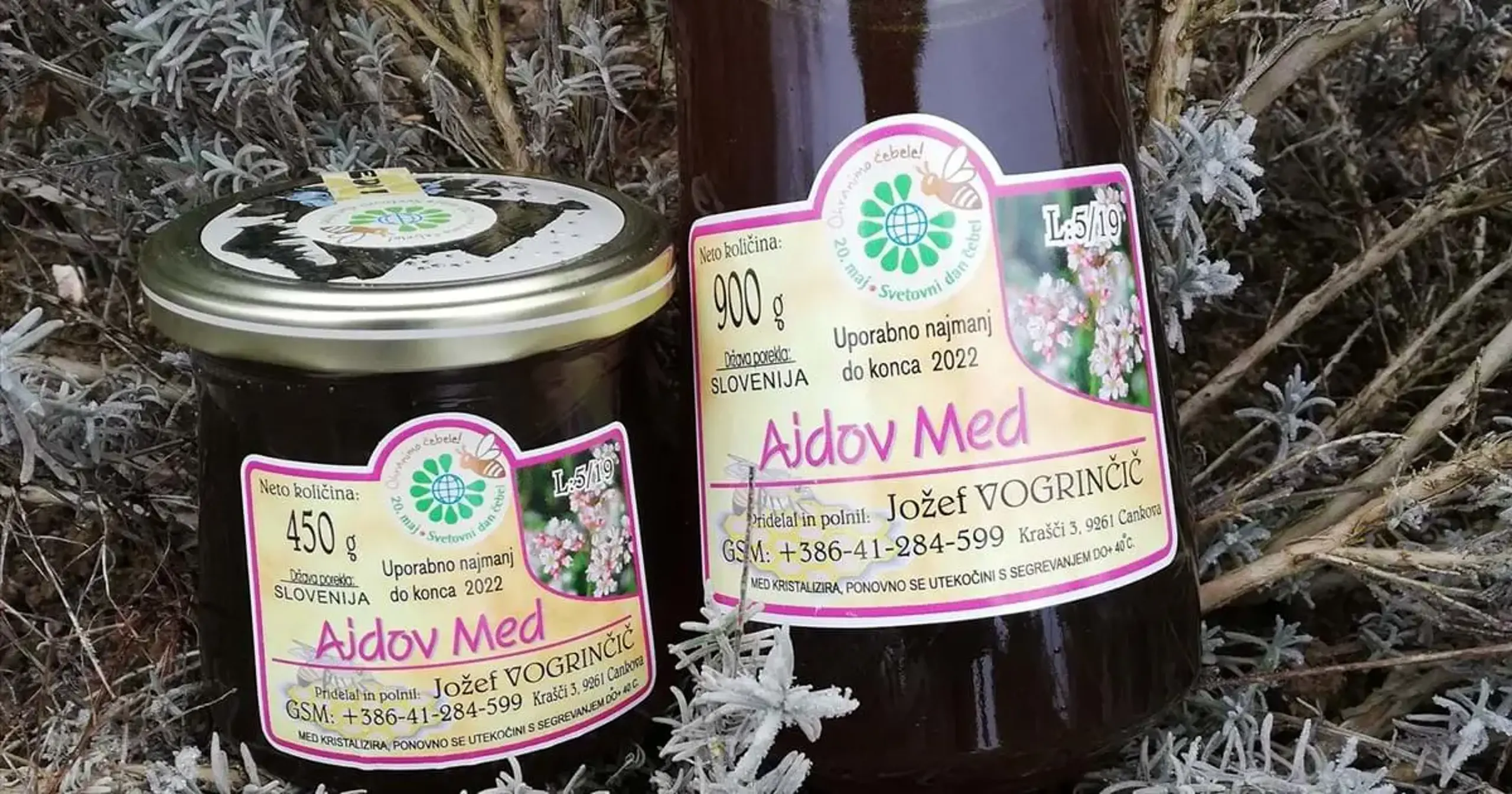
The colour, aroma and flavour of honey are linked to the plants from which bees collected nectar or honeydew, as well as the season and natural conditions. This is why different types of honey vary. If your visit includes a tasting, look at the honey first, then smell it, and only then taste it. This will help you notice the differences between milder and stronger flavours.
When buying bee products, ask the provider about their origin, production methods and storage. Alongside honey, beekeeping products may include wax, propolis, pollen and products made with local ingredients. The specific offering varies between providers and seasons.
A beekeeping experience for families
Observation is the easiest way to introduce children to beekeeping. At a glass hive, they can follow the bees’ movements and look for the queen, while in a honey garden they can discover plants that attract pollinators. Add questions about how bees communicate, what they collect from flowers and why we need them.
Before visiting, families should check the programme’s duration, suitability for the children’s ages and requirements for outdoor activities. Children must always be supervised by adults near hives and follow the beekeeper’s instructions.
How to behave safely around bees
Stay calm near the apiary and avoid sudden movements.
Do not touch hives, honeycombs or beekeeping equipment without permission.
Follow the instructions of the beekeeper or programme provider.
Do not leave food or sweet drinks uncovered near the apiary.
If you are allergic to bee stings or particular bee products, inform the provider before your visit.
Plan your visit
Beekeeping experiences are especially interesting in spring and summer, when many nectar-rich plants are in bloom and outdoor activities are most pleasant. Programmes may depend on the weather, season and group size. Before setting out, check opening hours, available times, programme content and whether advance booking is required.
Choose comfortable footwear and clothing suited to the weather. Include the estate or beekeeping centre in a half-day trip, combining it with exploring Maribor’s green outskirts and tasting local products.
Frequently asked questions
You can visit the herb and honey garden. Another distinctive feature of the estate is its zipline, which represents a bee’s flight.
Visitors can discover beekeeping products and observe bees working on the honeycomb in a glass hive.
Both are suitable for visitors who want to learn about nature and beekeeping. Before visiting, check how the programme is run and any age requirements.
Current conditions may vary depending on the programme and group size. Check opening hours and visiting or booking options directly with the provider.
Active
Families
Groups
Local
Outdoors
Sustainable