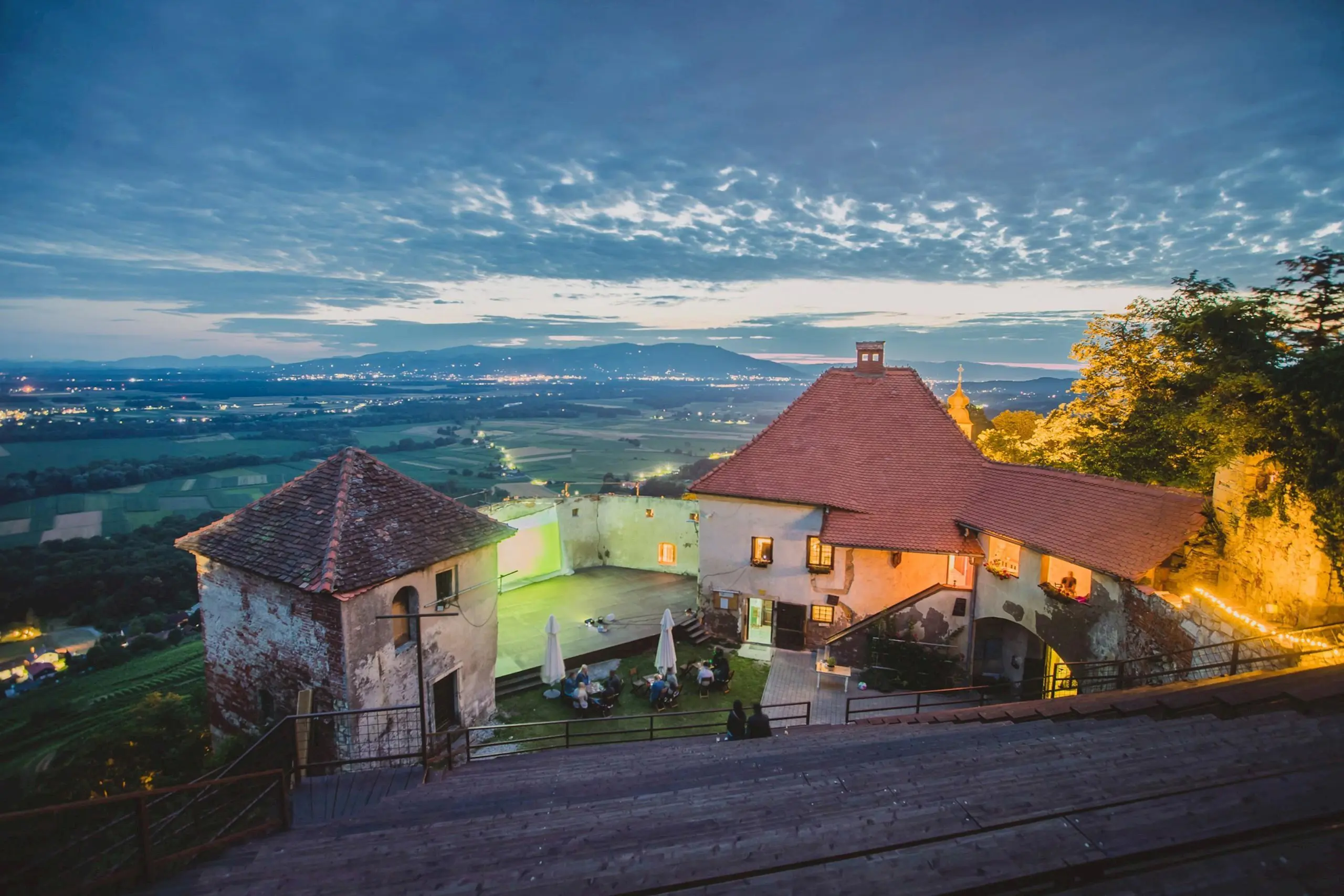
The settlement below the former castle was mentioned as a market town in 1209 and as a city in 1254.
Walk through centuries of Maribor’s history, from its medieval city walls and squares to its castle, towers, synagogue, Lent and stories of the 20th century.
Discover Maribor’s history on a walk through the city centre. Medieval squares, remnants of defensive walls, the castle, the former Jewish quarter and Lent along the Drava are just a few minutes’ walk apart. Individual buildings and monuments tell the story of the city, from its beginnings to industrial development and the pivotal events of the 20th century.
From the Marchburch fortress to the city of Maribor
Maribor’s beginnings are linked to Marchburch Castle, which stood on what is now Piramida Hill and gave its name to the settlement below. By the early 13th century, the settlement was already referred to as a market town, and in 1254 it was first mentioned as a city. Its position beside the Drava and important transport routes helped trade, crafts and urban life develop.
Although Piramida lies outside the compact historic centre, a visit helps you understand where the city’s story began. The summit offers views of Maribor, the Drava, Pohorje and the surrounding vineyard-covered hills. You can include the climb in a longer historical walk; allow enough time and wear suitable footwear.

Slomškov trg and the cathedral
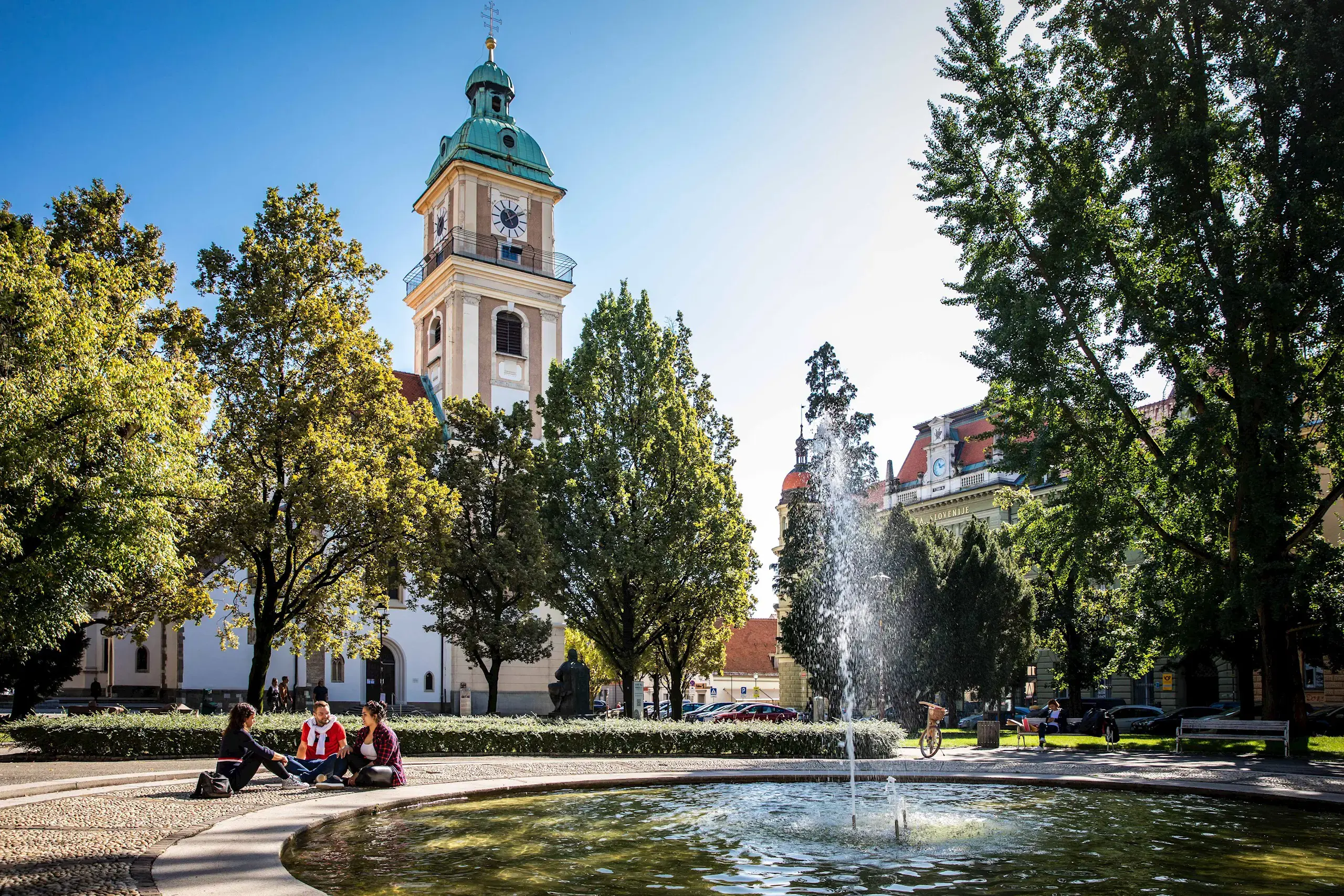
Slomškov trg is one of Maribor’s central historic squares. It is bordered by the cathedral, the Slovenian National Theatre, the post office and the University of Maribor, with old town streets also preserved nearby.
The cathedral has undergone several alterations over the centuries and displays different architectural layers. Visits to the interior and climbs up the bell tower depend on current opening hours and scheduled activities, so check the available visiting options before you arrive.
Glavni trg: the town hall, the Plague Column and city stories
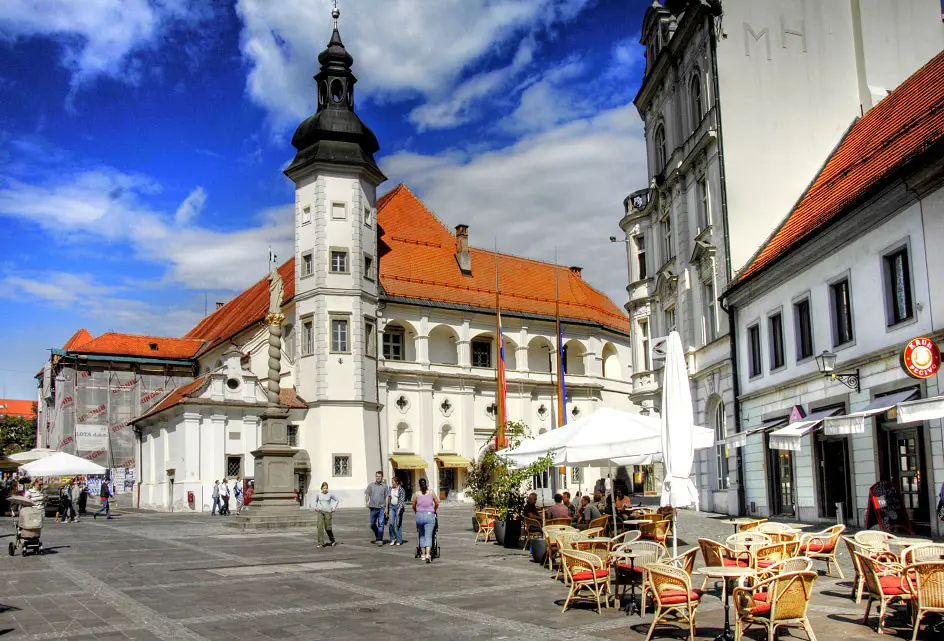
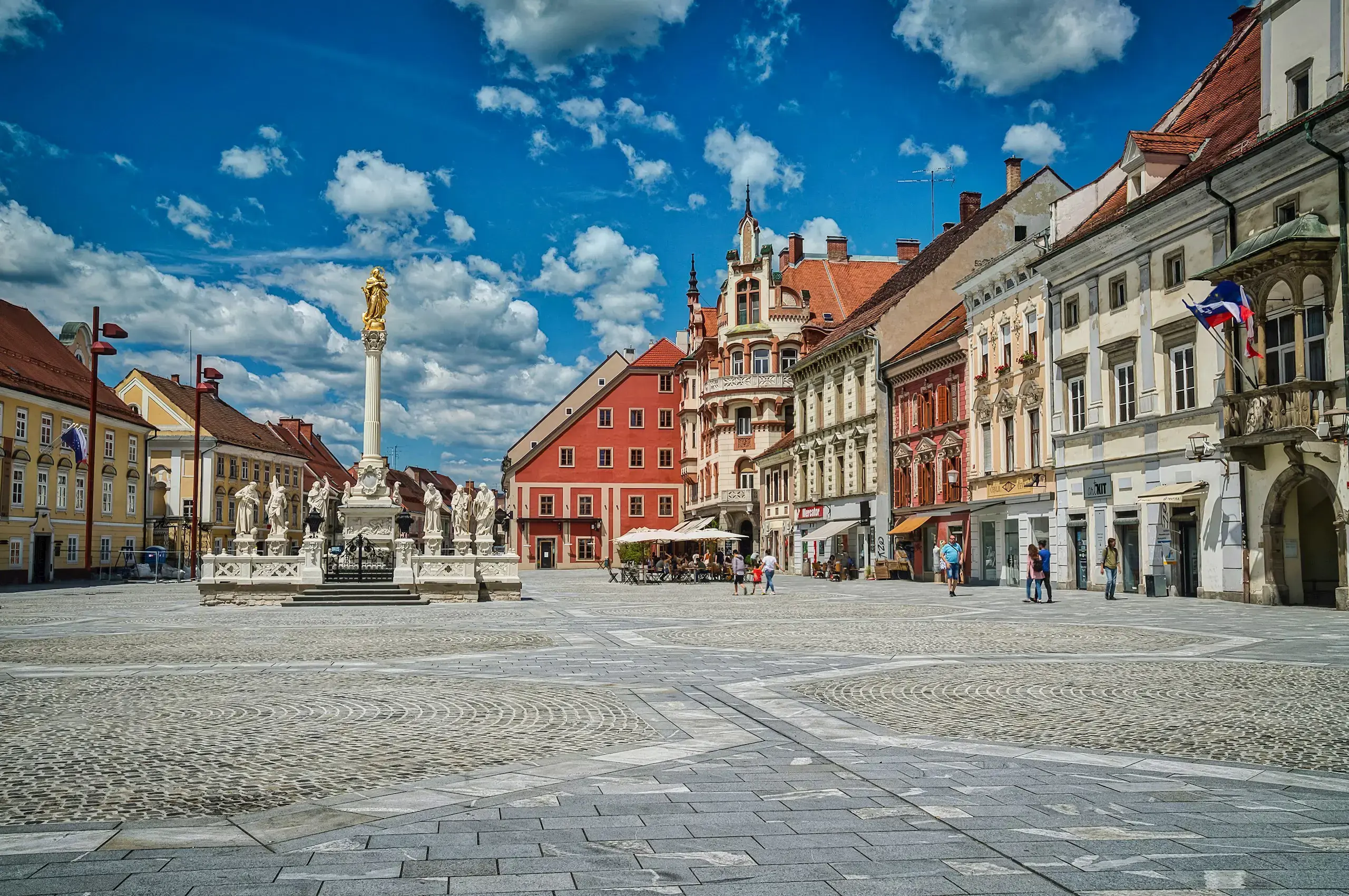
For centuries, Glavni trg was the centre of trade and public life. Its most recognisable landmarks include the town hall, known as Rotovž, and the Plague Column, erected to commemorate the end of a plague epidemic. Buildings from different periods surround the square, making it a good place to observe the development of the city’s architecture.
From Glavni trg, short streets lead towards Židovski trg, Maribor Castle or downhill to the Drava. Its central location makes the square a convenient starting point for a self-guided visit or a guided walk.
Maribor Castle and the Maribor Regional Museum
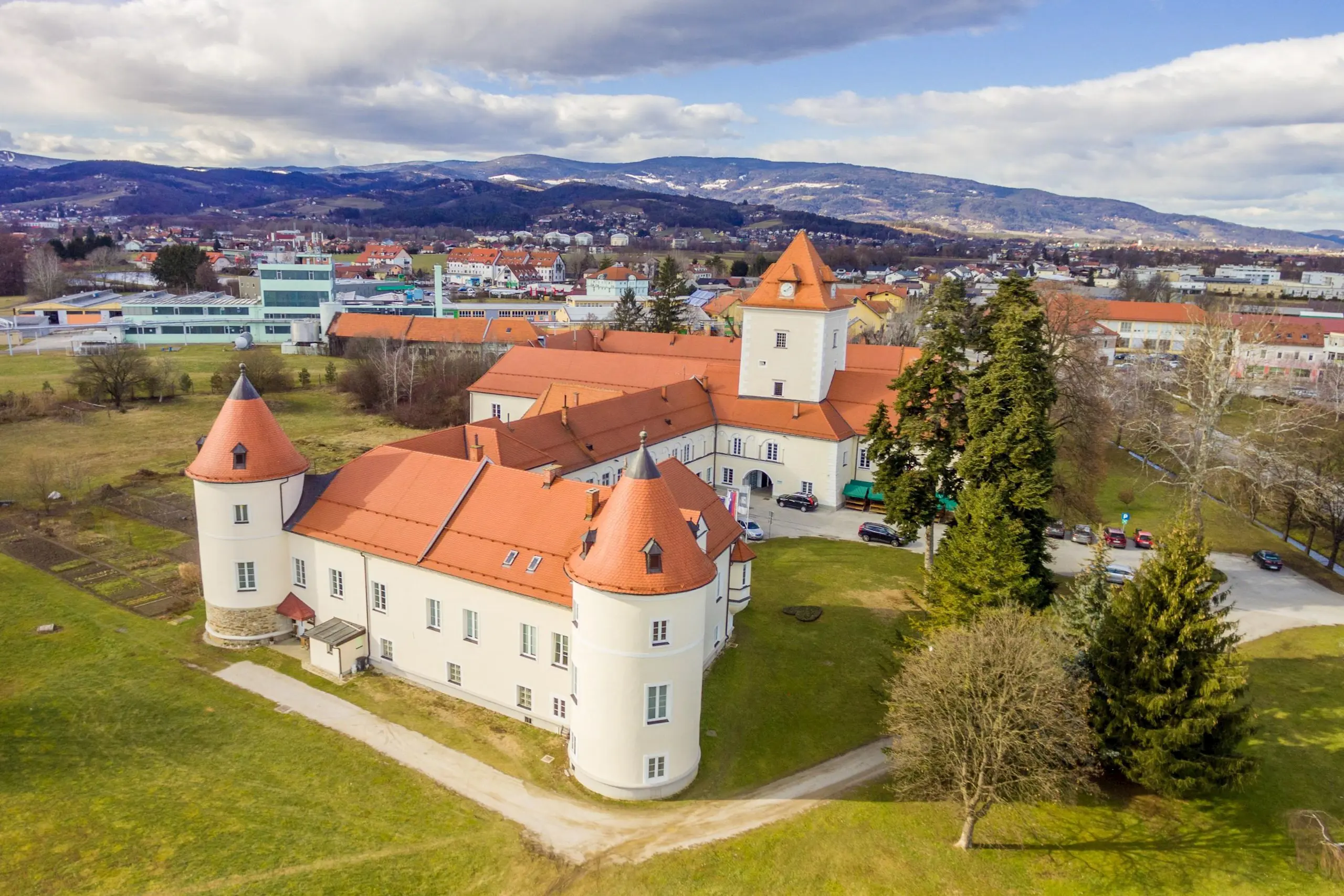
Maribor Castle in the city centre should not be confused with the former castle on Piramida Hill. At its core is an administrative manor whose construction began in 1478 beside the city walls. Later alterations gave the castle its present appearance. Its most impressive spaces include the castle staircase, the Knights’ Hall and the Loreto Chapel.
Today, the castle houses the Maribor Regional Museum. Its archaeological, ethnological, art and cultural history collections offer visitors an insight into life in Maribor and the wider region.

Židovski trg and Maribor Synagogue
The former Jewish quarter lay in the southeastern part of medieval Maribor, beside the city walls. Its most important surviving building is the synagogue, one of Slovenia’s key monuments of Jewish heritage. Today, it houses the Center of Jewish Cultural Heritage Synagogue Maribor, which organises exhibitions and other cultural events.
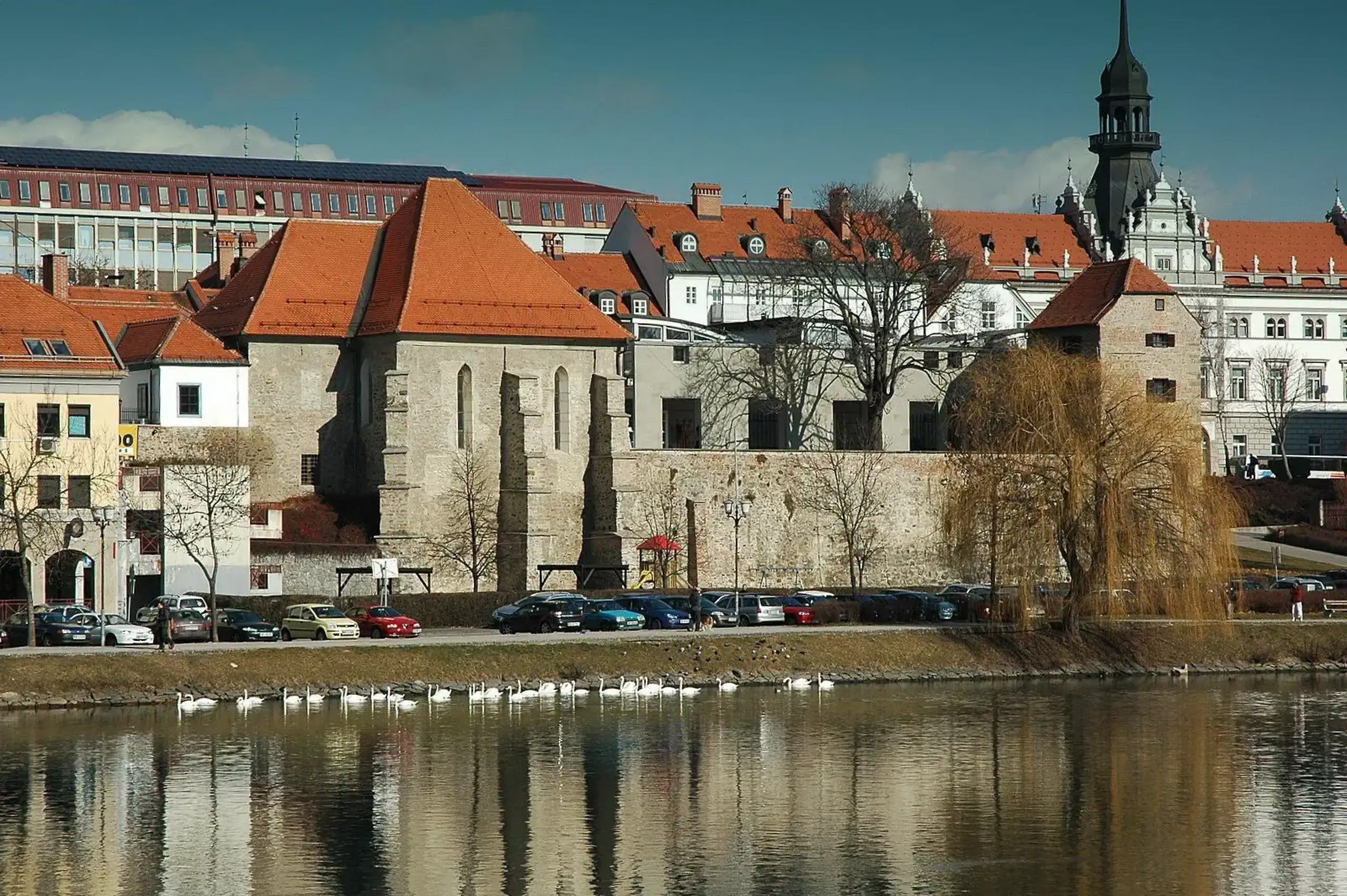
Beside the synagogue on Židovski trg stands the Jewish Tower, a former defensive tower that now houses the Stolp Photo Gallery. Other galleries also operate on nearby Židovska ulica. The square’s viewpoint overlooks the Drava and Lent, while sections of the former city walls remain visible beside the synagogue and tower.
Lent, defensive towers and the Oldest Grapevine
Lent is the oldest part of the city along the Drava and the site of its former river port. The Judgement Tower and Water Tower are surviving parts of the city’s defensive system. The streets and passageways between them connect the riverfront with the city centre above.
The world’s oldest grapevine, more than 450 years old, grows on the façade of the house at Vojašniška ulica 8. The Oldest Grapevine connects Lent’s history with the winegrowing traditions of Maribor and the wider Štajerska region and is one of the city’s most recognisable sights.

Maribor in the 19th and 20th centuries
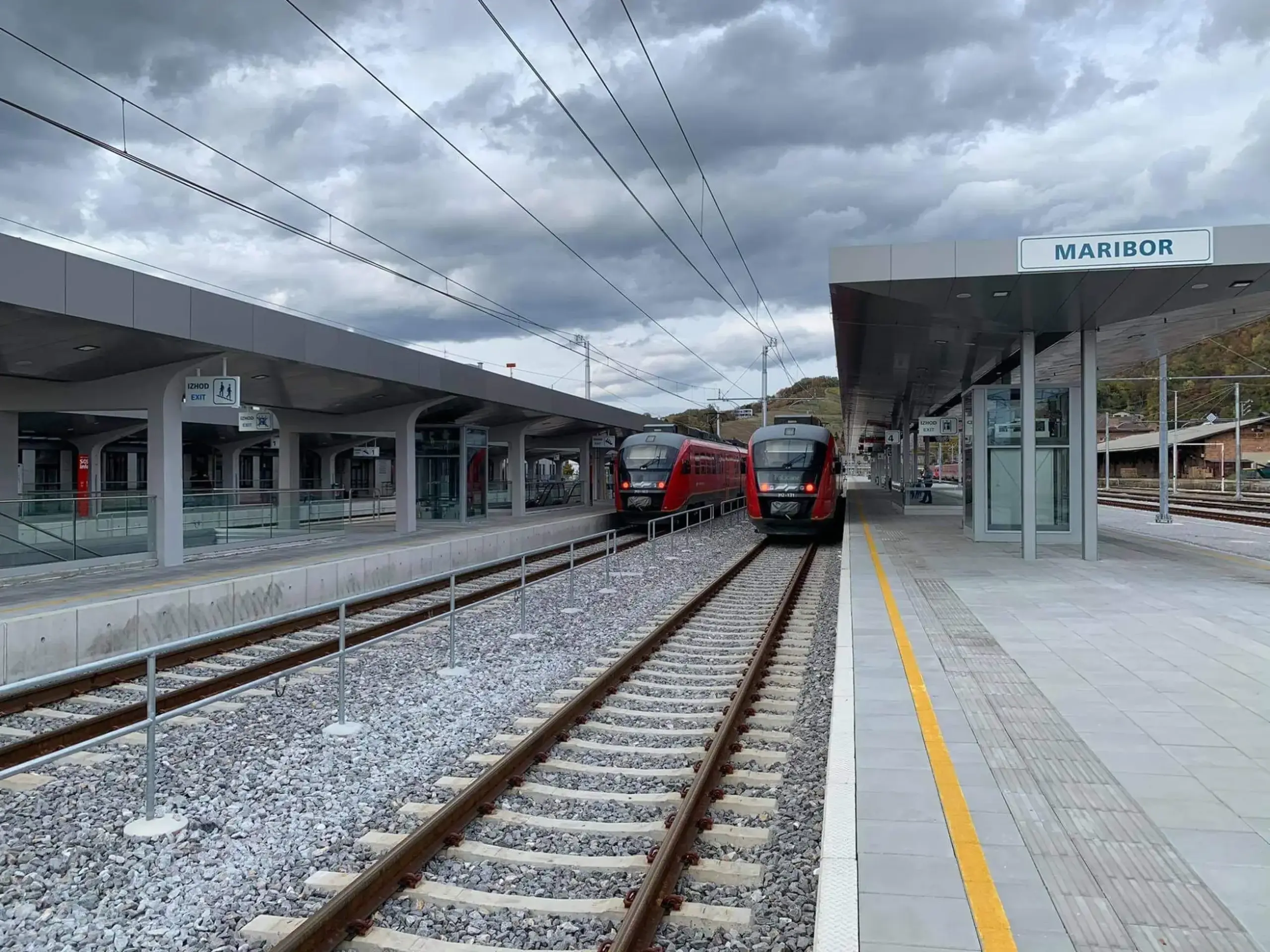
The arrival of the railway in 1846, industrial development and population growth significantly changed Maribor during the 19th and 20th centuries. The city’s history was also shaped by Rudolf Maister, both world wars, the Nazi occupation, post-war industrialisation and subsequent economic and social changes.
Exhibitions at the Maribor National Liberation Museum explore the city’s 20th-century history in greater detail. Complement your visit with a walk to Trg generala Maistra and an exploration of Melje’s industrial heritage. Along the way, you will also see how the city expanded beyond its medieval centre.
A suggested historical walk
Start at Slomškov trg and see the cathedral and surrounding historic buildings.
Continue to Glavni trg with its town hall and Plague Column.
Walk to Židovski trg, Maribor Synagogue and the Jewish Tower.
Head down to Lent and visit the Oldest Grapevine, the Judgement Tower and the Water Tower.
Finish at Maribor Castle or extend your walk through the City Park to Piramida Hill.
Plan your visit
Allow at least two hours to see the main sights from the outside, and additional time to visit a museum, the synagogue or the cathedral. Check opening hours before setting off, as they may vary by day, season and events. A guided tour is a good choice if you would like to connect the buildings with the stories of the people and events that shaped the city.
Frequently Asked Questions
Key sights include Glavni trg with its town hall and Plague Column, Maribor Castle, the cathedral, Maribor Synagogue, Lent and the surviving defensive towers.
The historical name Marchburch is linked to the fortress on what is now Piramida Hill.
The Maribor Regional Museum and the Maribor National Liberation Museum explore the city’s history in greater detail.
Yes. Many of the key sights are located in the city centre and can be visited on foot.