Several occupy buildings that once served very different purposes, including a former monastery complex, a military bakery and warehouse and factory spaces with a former nightclub. A visit therefore combines artistic events with the history of the place.
V Mariboru kultura oživlja samostan, vojaško pekarno in nekdanji nočni klub. Odkrijte njihove zgodbe!
In Maribor, you can watch a performance in a former nightclub, a film beneath an oak tree in a monastery garden or a concert in a former military bakery. Cultural centres connect the history of their buildings with the creativity of today’s city. Explore courtyards, stages and independent spaces and discover Maribor through places where art is created, tested and shared with audiences.
A city is also revealed by what it does with its old buildings
A monastery, a military bakery, a warehouse, a nightclub. At first glance, these places have little in common. In Maribor, they share a fascinating transformation: they have become places for artistic creation and encounters. Their past gives today’s performances, concerts and exhibitions a distinctive setting.
When exploring Maribor’s cultural centres, take time to notice the space itself. Look at where you are sitting, what surrounds the stage and what story the building holds. Then immerse yourself in the event. You will discover the city through its heritage and through the people giving it new life today.
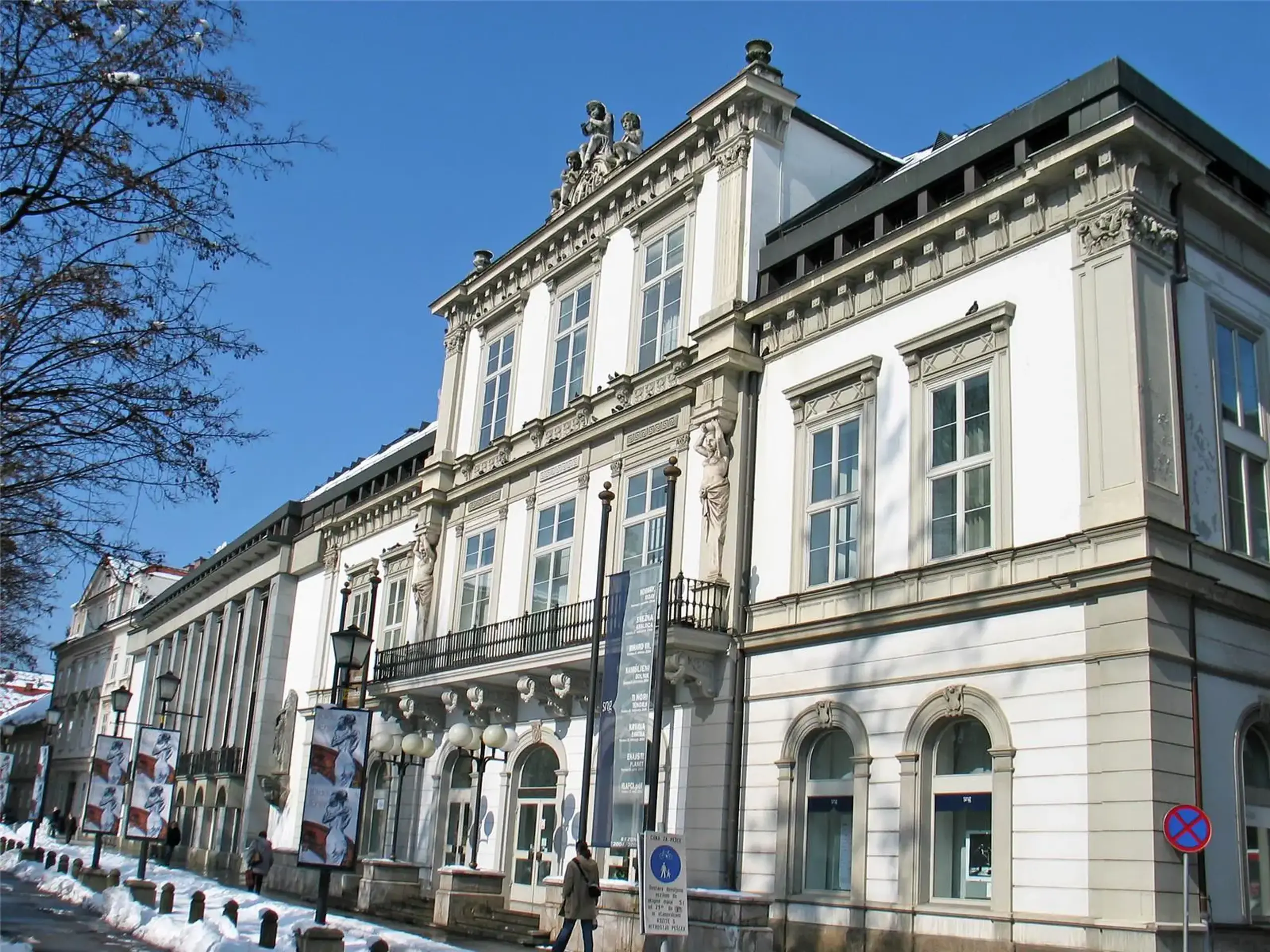
Cinema beneath an oak that has seen more than we have
In the Minoriti Cultural Quarter (Kulturna četrt Minoriti), a former monastery garden becomes a venue for film evenings, concerts and performances. A magnificent pedunculate oak spreads its branches above the open-air Auditorium (Avditorij). Minoriti describes it as the oldest and thickest tree within the old town. Its exact age is unknown, but it is estimated to be at least 200, perhaps 300 years old or more.
The stage is another special feature. The Auditorium shares it with the indoor Great Hall: opening an iron curtain reveals the theatre space to the outdoor audience. The former monastery garden has thus become home to a carefully designed stage and, since 2017, an open-air cinema.
For a summer visit, check the outdoor screening programme. At other times of year, choose an event in the monastery complex. Minoriti brings puppetry together with contemporary performing arts, music and film, so the same place can offer a completely different experience on each visit.

A different kind of stage behind a door on Main square (Glavni trg)
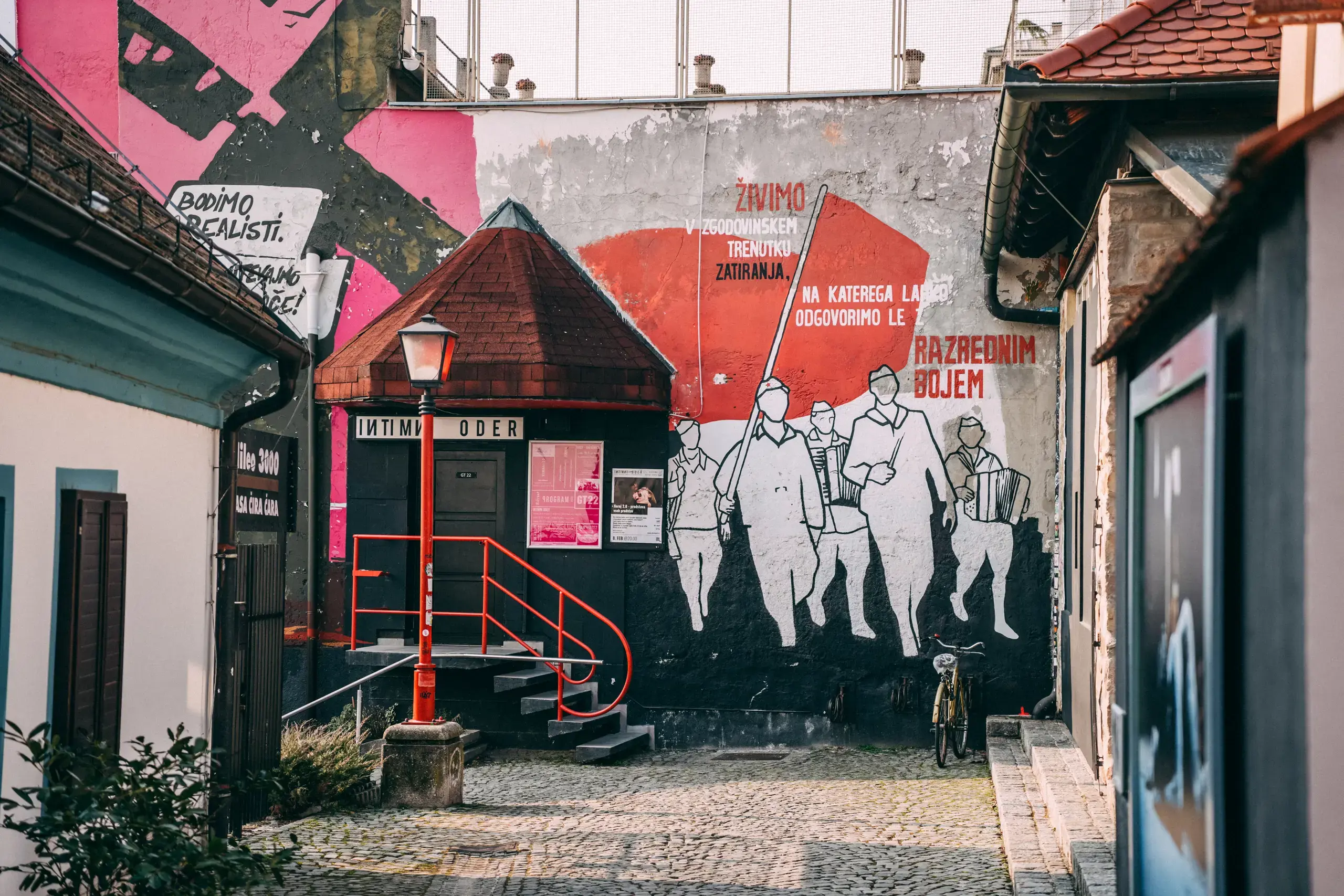
The name GT22 is actually an address: Glavni trg 22. Behind it lie around a thousand square metres of space, which the Oset-Puppis family made available to the Sonda Foundation in 2013. From this grew an artistic community that transformed the former warehouse and factory spaces and nightclub through voluntary work and its own investment.
The most striking transformation is that of the former nightclub into Intimni oder, a theatre seating around 50 people. The small space creates a sense of closeness between performers and audience, while its programme focuses on experimental theatre productions, visiting performances and encounters with artists. It is an interesting choice for visitors keen to discover contemporary independent theatre.
Plan your visit around an event or by arrangement. GT22 does not keep conventional tourist opening hours; its doors mainly open in connection with its programme.
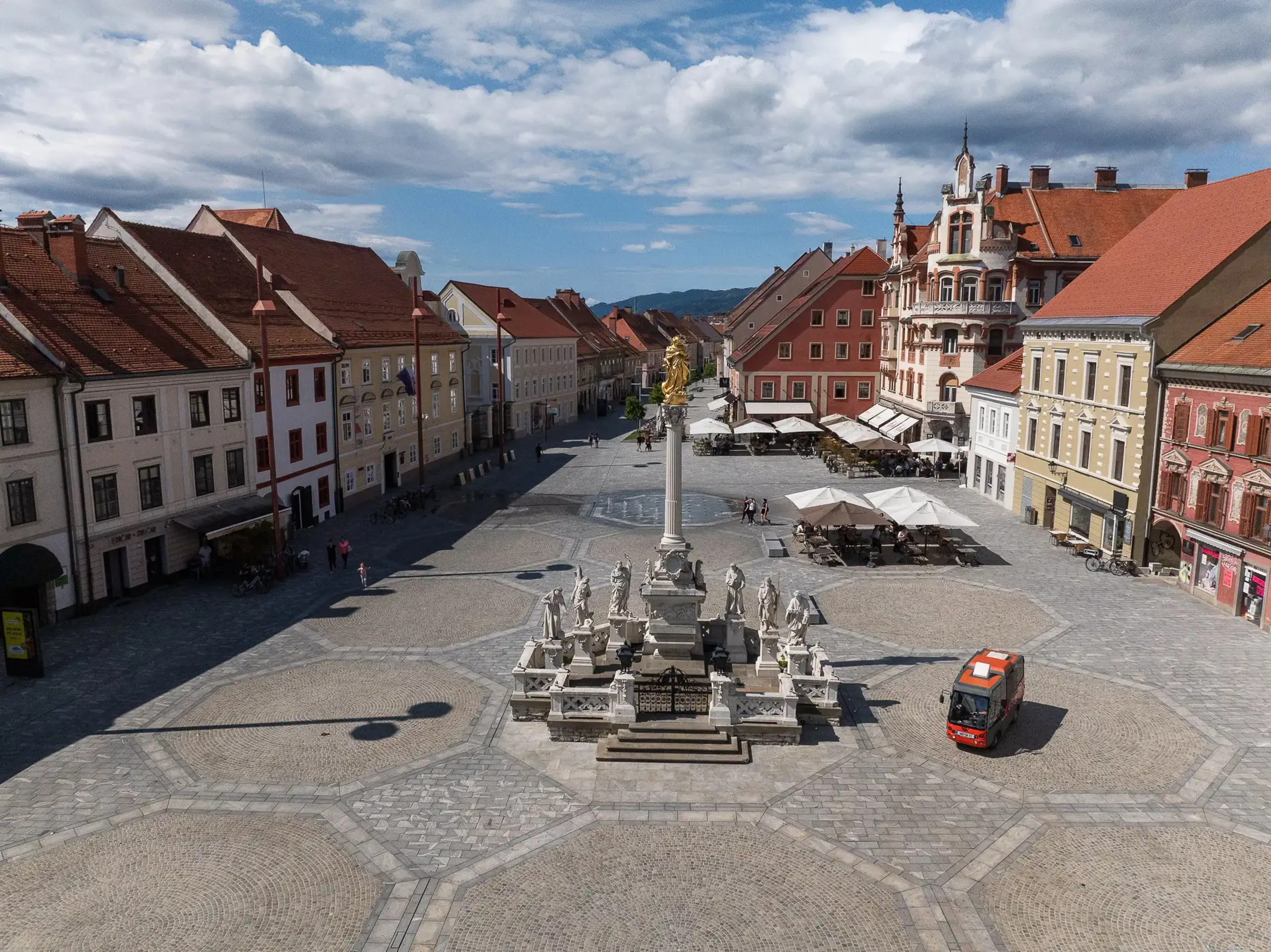
A bakery where the ovens remain but the purpose has changed
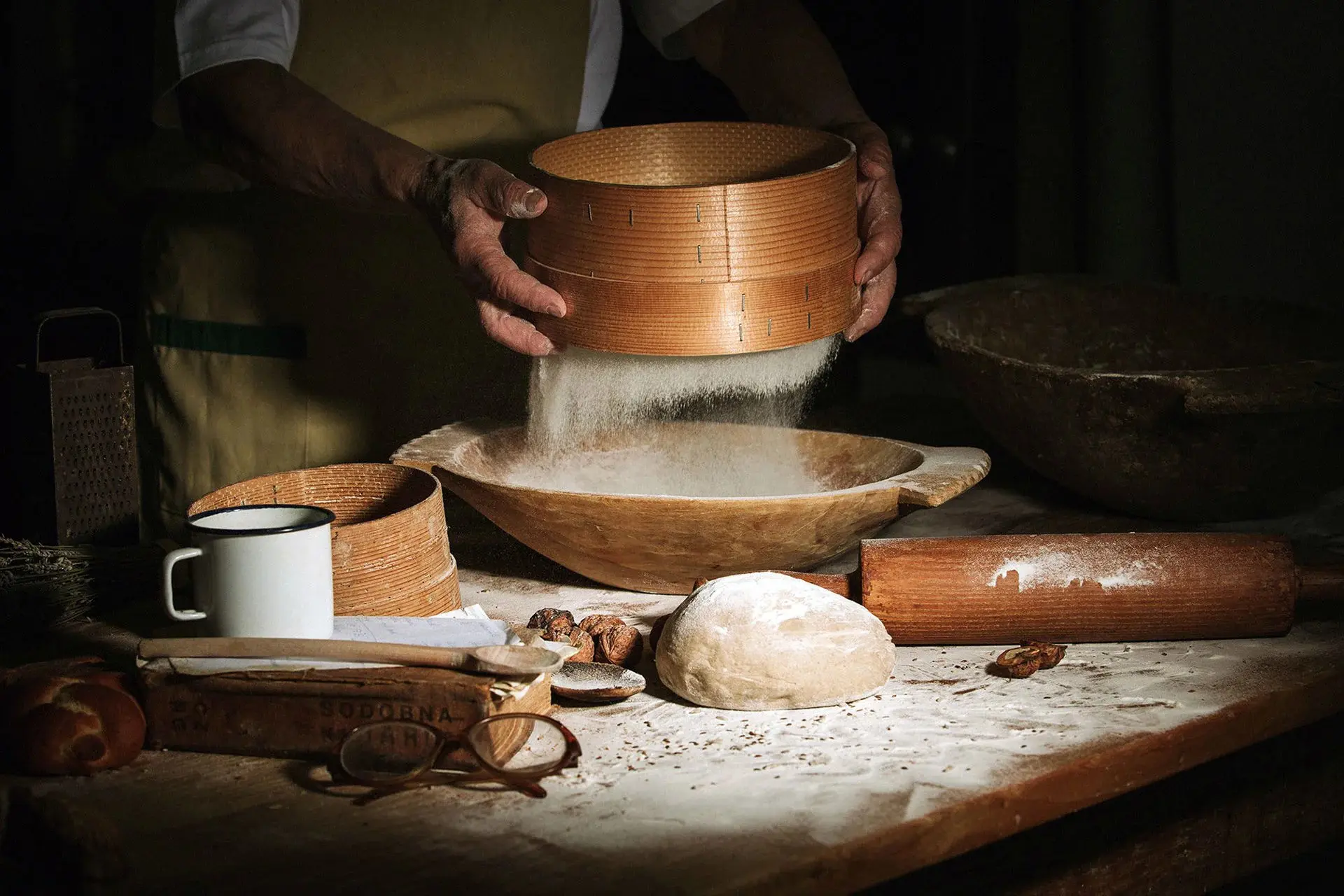
The name Pekarna Cultural Center (Kulturni center Pekarna) is no metaphor. At the end of the 19th century, the complex served military supply needs, and the building housing today’s Pekarna Youth Center (MC Pekarna) club was built in 1897 as a rusk bakery. The original ovens and chimney still recall this former activity inside the club.
A new chapter began on 16 June 1994, when artists occupied the abandoned complex. Pekarna developed into a grassroots cultural centre associated with independence, initiative and collaboration. Its story also shows how a community can create its own space for ideas.
If you are interested in alternative music, independent art and socially engaged content, find an event that appeals to you and extend your city visit to the right bank of the Drava. The best way to discover Pekarna is through its programme and the people who help create it.
A courtyard with the history of Maribor’s first theatre
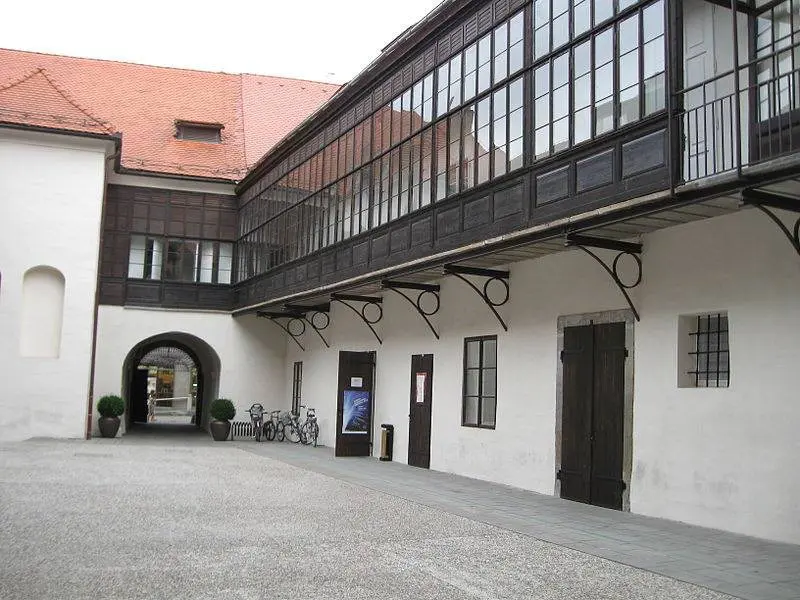
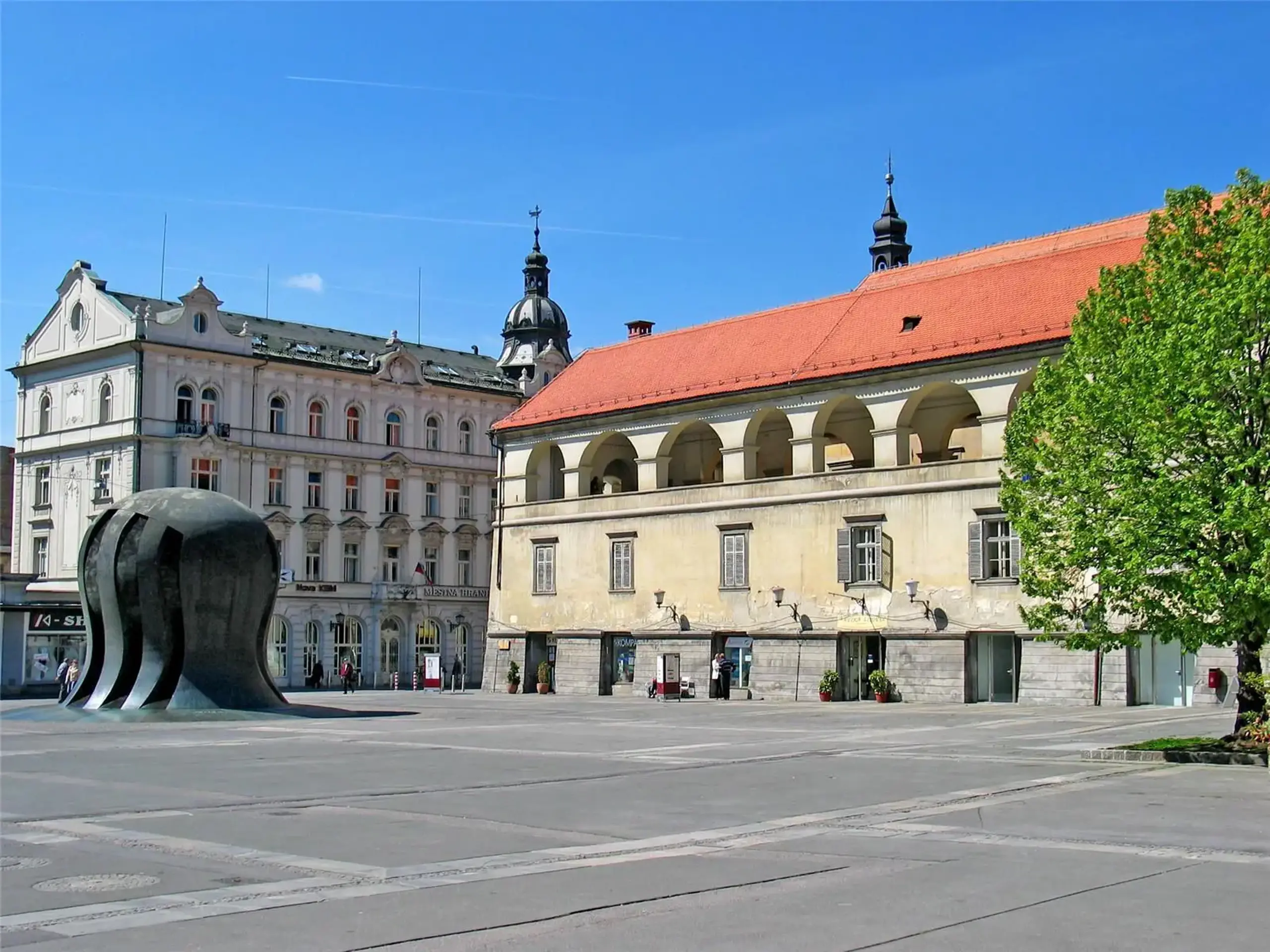
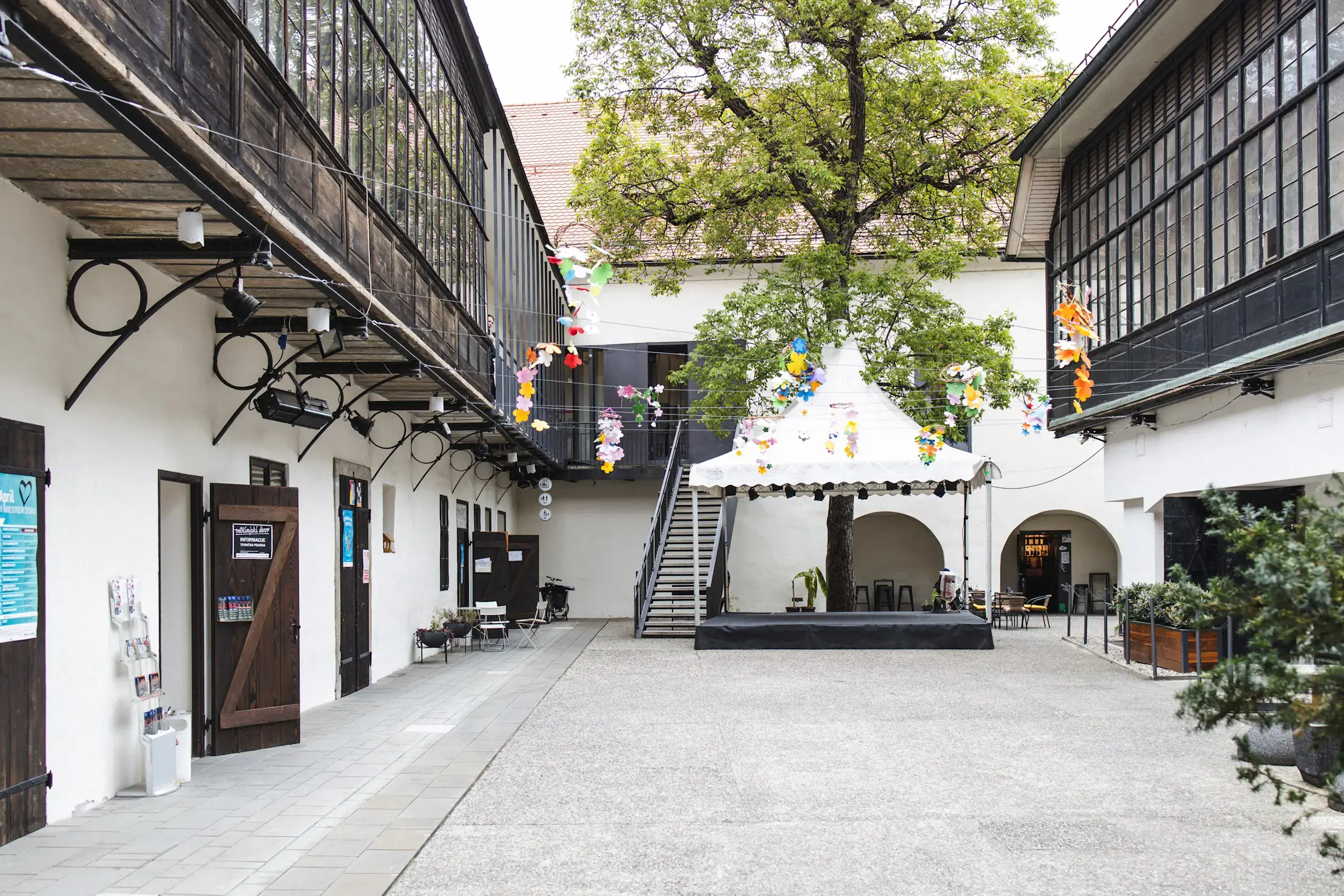
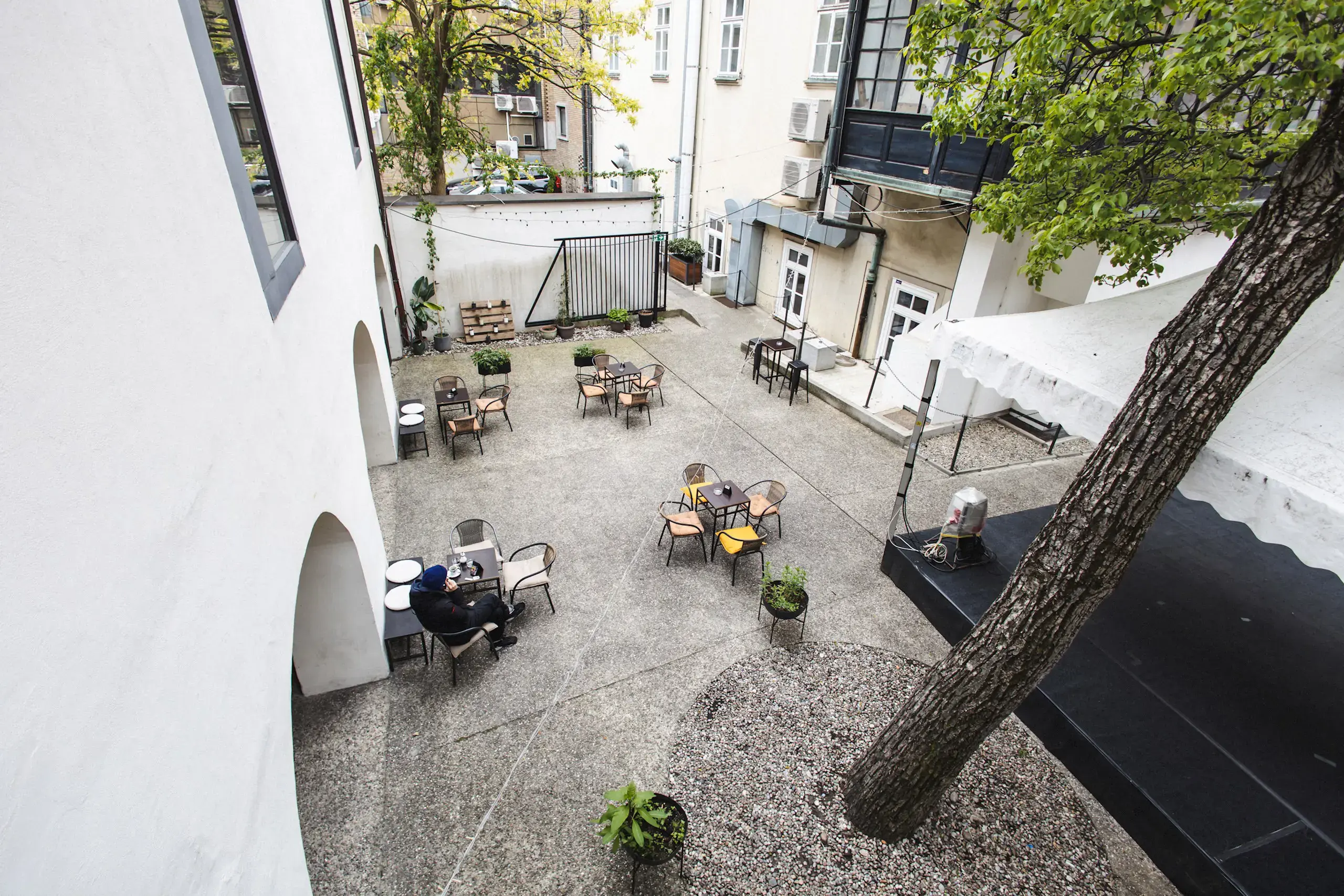
Vetrinjski Dvor Mansion (Vetrinjski dvor) holds a fact that is easy to miss when looking at its façade: between 1785 and 1806, it housed Maribor’s first theatre. The complex’s architectural development dates back to the 13th century, while its present appearance combines traces of numerous alterations and different owners.
Today, the mansion is both a venue and a place where culture is created. Visitors see an exhibition, performance or courtyard event, while behind the scenes the spaces support cultural organisations, initiatives and independent artists. This dual life connects it to the city’s contemporary creative scene.
Its courtyard is a good starting point for a visit: depending on the programme, you might catch a literary evening, concert, performance or creative workshop. The building that once welcomed the city’s first theatre audiences still invites encounters with art.

On Jewish square (Židovski trg), the past raises questions for today
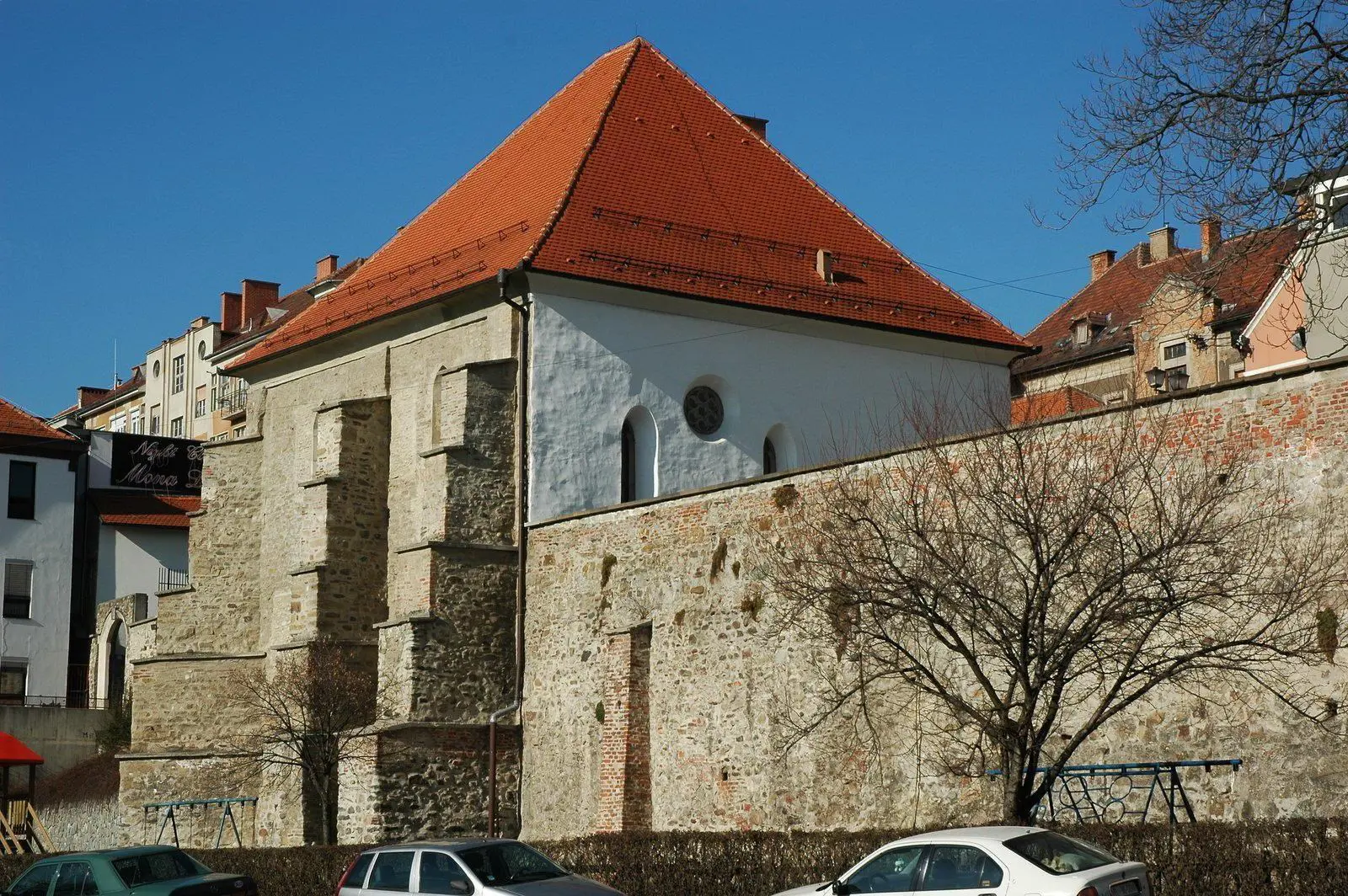
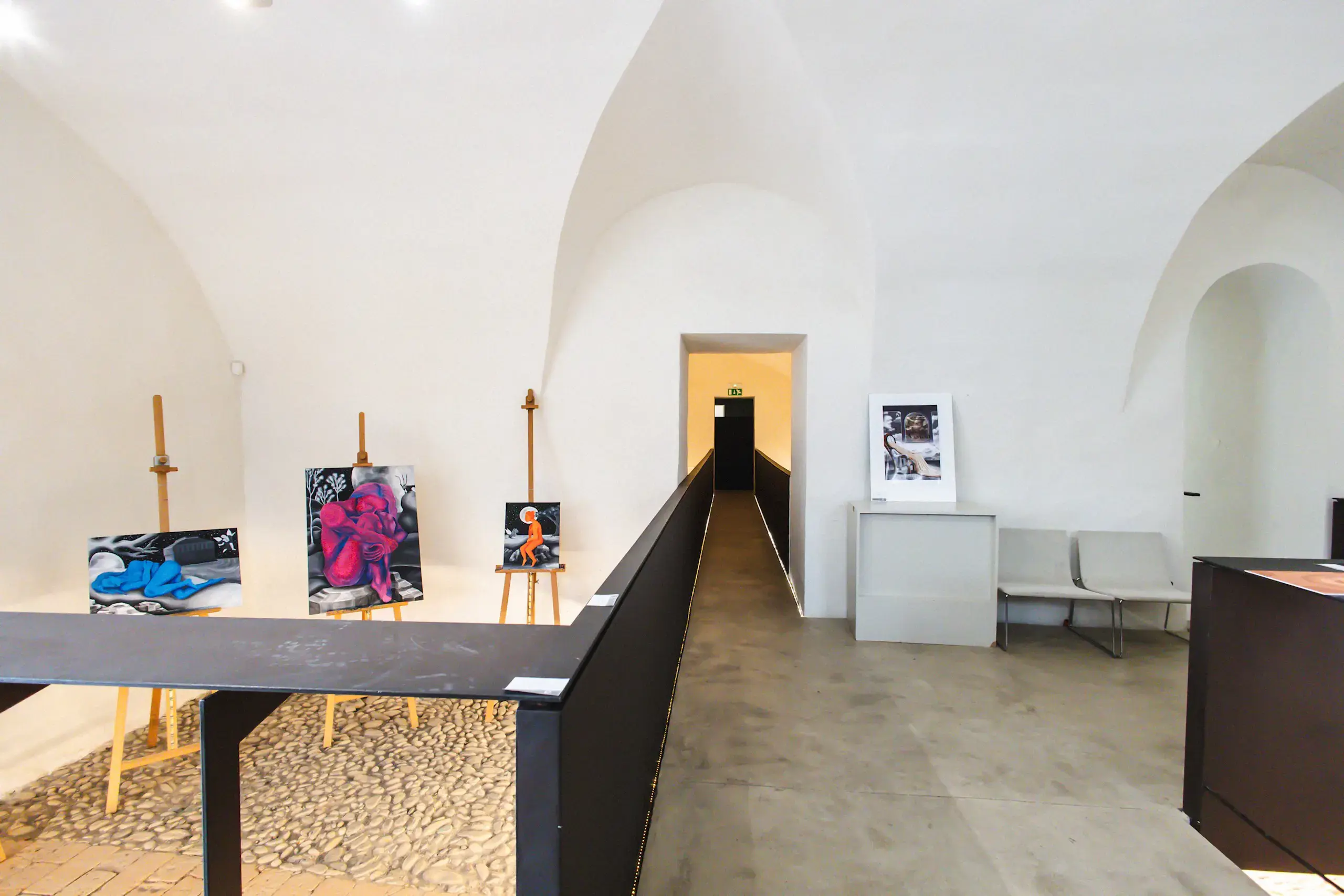
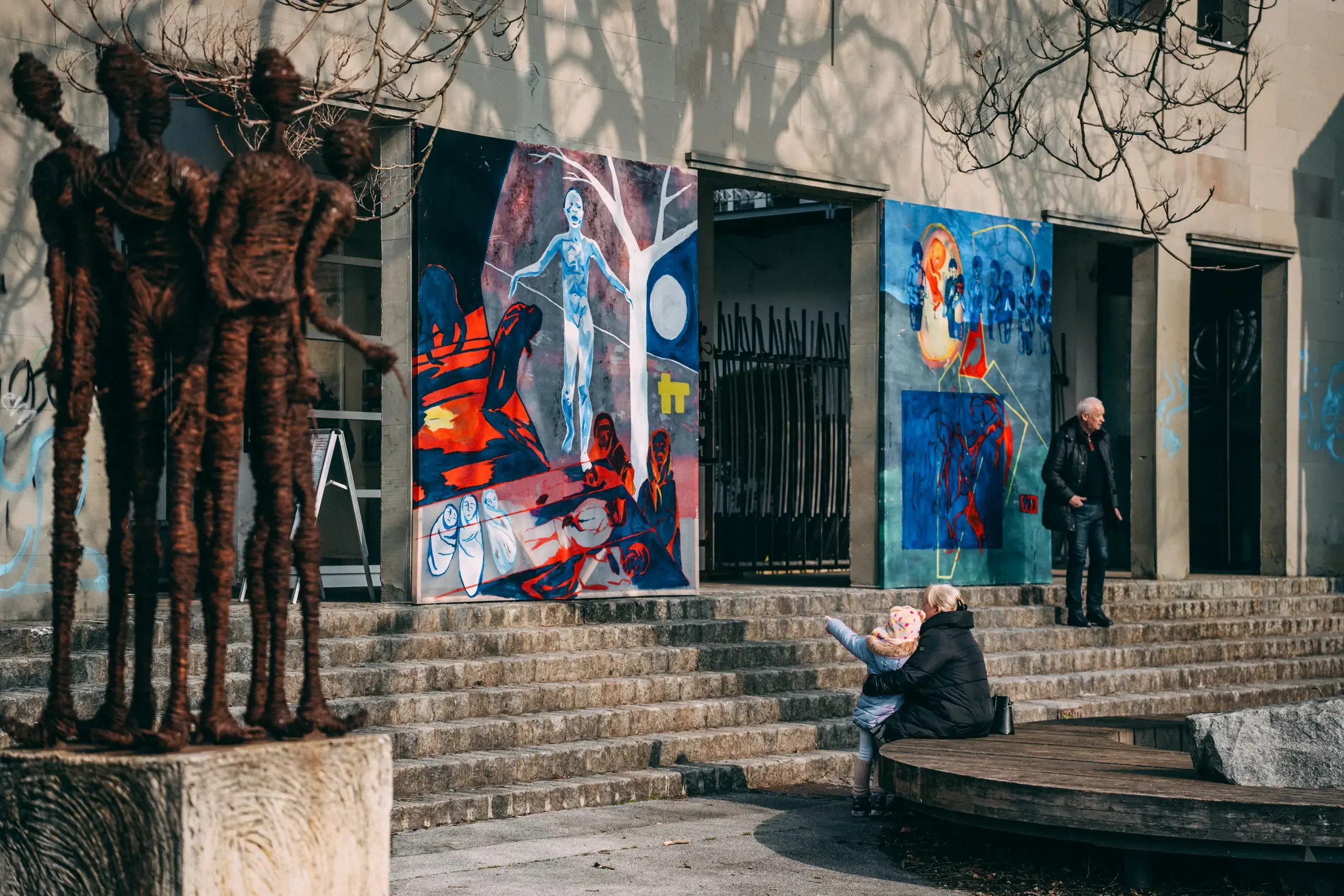
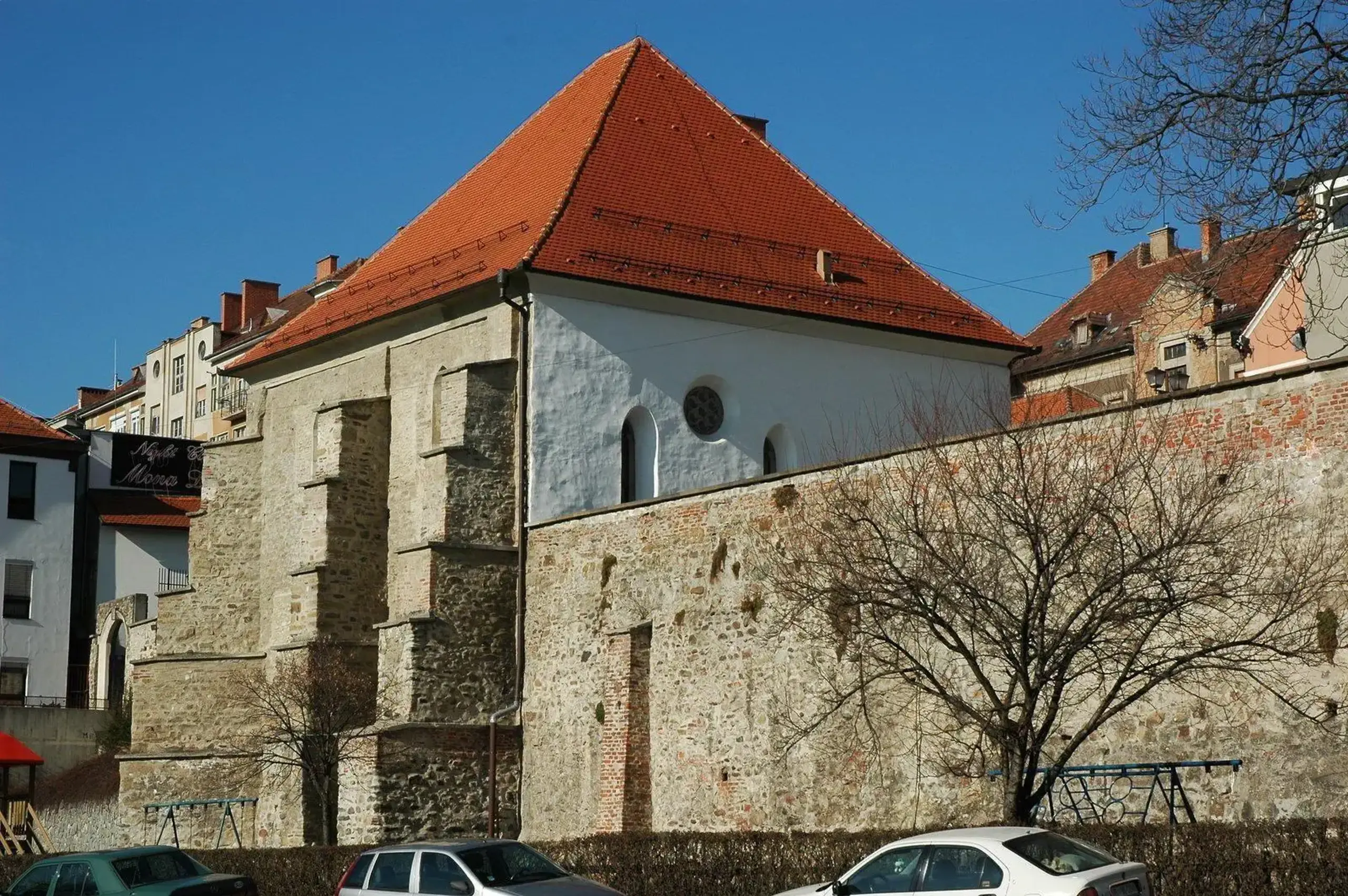
Maribor Synagogue (Sinagoga Maribor) plays a special role in the Jewish Quarter’s cultural life. The restored former synagogue opened as a cultural centre in April 2001. Today, it is used not as a place of worship but for researching, preserving and presenting Jewish cultural heritage and encouraging intercultural and interfaith dialogue.
Combine your visit with an exhibition or event. The architecture introduces you to the historic space, while the content helps you understand the people and stories connected to it. It is an opportunity to enrich your old-town exploration with questions about memory, cultural diversity and coexistence.
Build your cultural visit around one event
Start by asking yourself what you would like to experience. An open-air film? A performance in a small theatre? An alternative concert? An exhibition revealing a lesser-known city story?
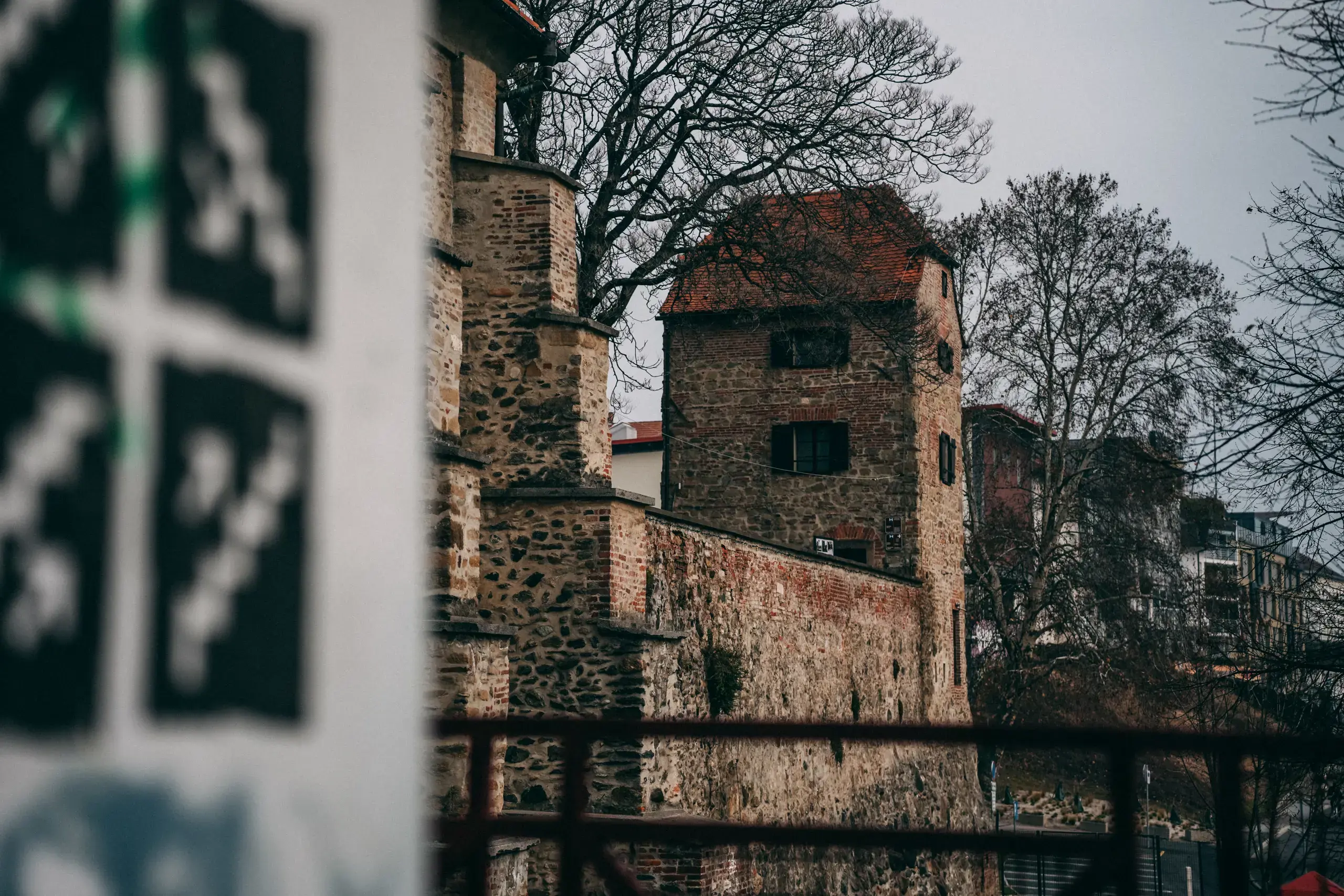
Then choose an event and build your visit around it. Explore the centre before an evening performance, stroll along the Drava before a screening or combine an exhibition with nearby galleries. For a first encounter, one venue that captures your interest is enough.
Before setting off, check the current programme, ticket options and venue accessibility. Some cultural centres come alive mainly during events, so choosing the right time will open a window onto their everyday life.
Frequently asked questions
One venue is the Auditorium (Avditorij) in the Minoriti Cultural Quarter (Kulturna četrt Minoriti), set in a former monastery garden. Open-air cinema has taken place there since 2017. Check the current programme for screening dates.
An interesting choice is Intimni oder at GT22, Glavni trg 22. Seating around 50 people, it hosts experimental theatre productions, visiting performances and encounters between artists and audiences.
Today it is a cultural centre, but its name comes from the former military bakery. The original ovens have survived inside the Pekarna Youth Center (MC Pekarna) club, and the chimney also recalls the building’s past.
Visiting arrangements vary. Visits to GT22 are linked to events or prior arrangement. For other venues, also check opening times, programmes and any booking requirements before visiting.
No. Maribor Synagogue (Sinagoga Maribor) operates as a cultural centre and is not used as a place of worship. Its mission includes presenting Jewish cultural heritage and promoting intercultural and interfaith dialogue.
Culture