Organizer
Location
Tkalski prehod 4, Maribor
Feeling safe can give us the courage to set aside caution and surrender to another person. In doing so, we expose ourselves to vulnerability, dependence and the possibility of losing control. This contradiction is the starting point for Anastazija Pirnat’s exhibition The Armour Gives Me Reckless Devotion, which explores how protection and surrender intertwine in intimate relationships and wider forms of belonging. Feeling accepted allows us to open up to others, while the terms of that acceptance reveal who sets the boundaries of a relationship and who is expected to adapt.
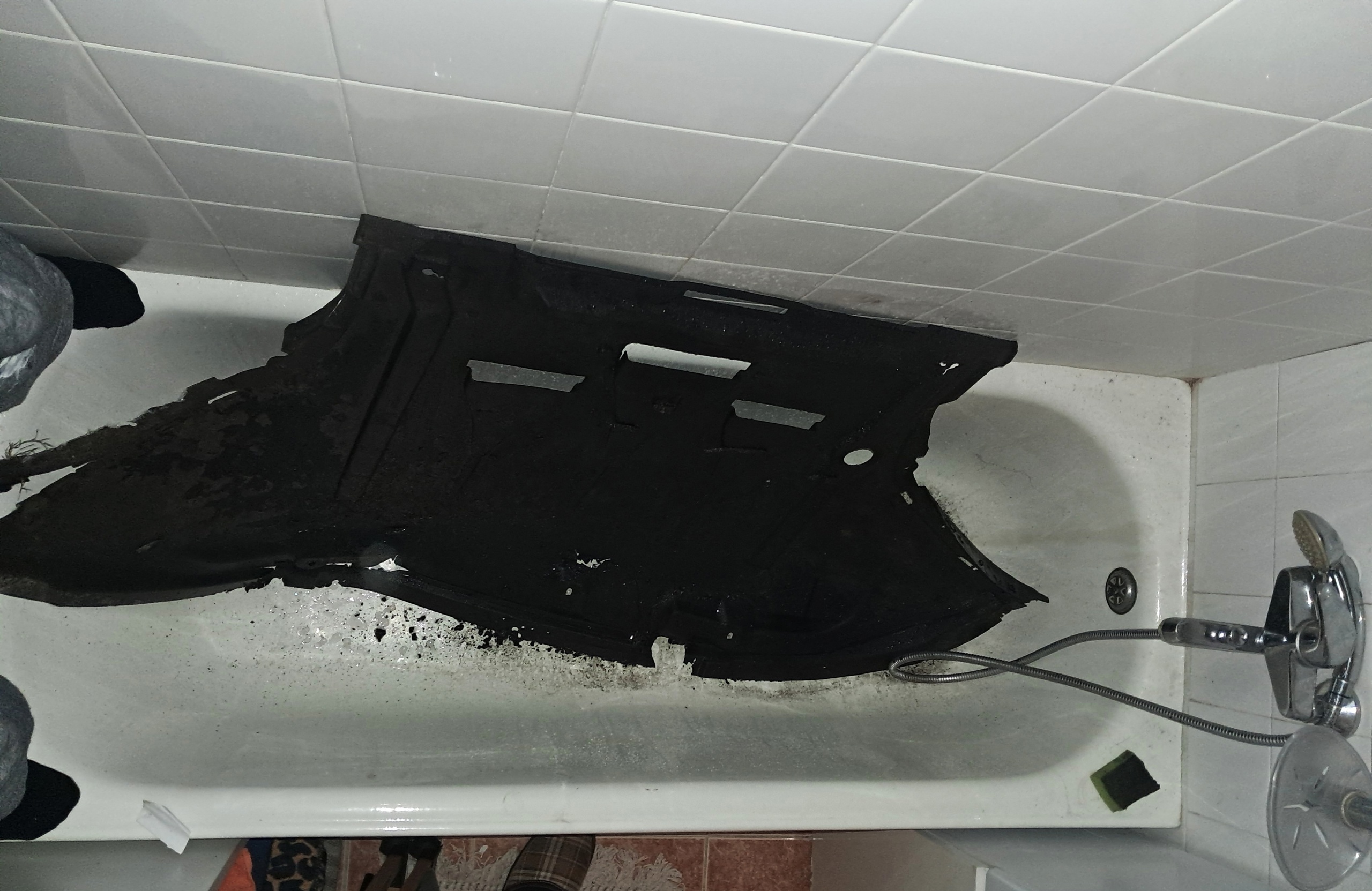
Working across painting, object and installation, Pirnat gives these relationships a material form. She transfers and layers photographic and digital images onto supports that include construction, industrial and automotive components. Their weight, rigidity, texture and traces of wear shape how we read the images and how the images occupy space. Each image becomes part of a structure that both supports and transforms it.
The support acts as armour, giving the image physical stability while its surfaces and edges shape how much of it we can see. A trace of wear can draw the eye as readily as a gesture or a fragment of the body depicted in the image.
Motifs of invitation, shelter and worn interiors carry an ambiguous promise of closeness. What is expected of us when we accept an invitation or enter a space whose rules are set by someone else? Hands outstretched in gestures of pleading, offering or surrender express a desire for contact. They can also suggest submission or dependence on another person’s response. Images of footwear and traces of an absent body evoke the social expectations that shape how a body moves and adapts. Protective elements and structures that suggest somewhere to lean or rest bring the tension between bodily exposure and the need for stability into view.
Sacred references bring ritual into this exploration of belonging. A gesture that might read as a plea or an offering in an intimate relationship can become an expression of belonging in a ritual. The promise of acceptance is bound up with rules about who can take part and how. The encounter with everyday objects and industrial materials unsettles the solemnity of ritual. Gestures of devotion take on an awkward, theatrical quality, revealing some of the demands that accompany belonging.
The relationship between closeness and exposure also shapes the experience of looking. Bodily and spatial motifs emerge gradually as recognisable fragments alternate with blurred areas and interruptions. The images draw us closer. Details of the surface come into focus as we approach, while parts of the scene remain obscured. Our attention shifts between recognising the subject and noticing the material on which it appears.
The parallel between the material support of images and trust in relationships brings out the dual role of protection. What gives us stability can also shape how we move and how much of ourselves we reveal. Feeling safe can give us the confidence to accept the risks of closeness and surrender to something we cannot fully control.